Is Thailand Safe to Travel? Scams, Health, Laws & What Tourists Must Know
Research and travel experts

Short answer: Yes, Thailand is generally safe for travelers – especially compared to many countries – as long as you stay alert. Violent crime against tourists is rare, and Thai people are famously friendly. That said, travelers should take normal precautions and be aware of local laws and scams:
Thailand is generally safe for tourists, with low violent crime in major destinations like Bangkok, Chiang Mai and Phuket. However, travelers should be aware of common scams, strict local laws, health precautions and seasonal risks. With basic awareness, travel insurance and smart planning, most visits to Thailand are safe and trouble-free.
Scams to Watch For
The usual tourist tricks are present. Beware of the “This place is closed” scam: someone may falsely tell you a temple or attraction is closed to divert you to a paid tour.
Always confirm independently before booking. Tuk-tuk tours can be overpriced; always agree on a fare up front and beware of drivers who promise cheap rides but then demand commissions at shops. Only take meter taxis (or insist on the meter). Currency exchange: use banks or official kiosks; shady money-changers can offer deceptively good rates. Carry small amounts of cash and check prices before accepting extras.
Common sense (and politely refusing or walking away) solves most scam attempts. TagThai travel experts sum it up: “Thailand is safe to visit when you travel with your eyes open… A little street smarts will go a long way”.
Health & Hygiene
Thailand’s healthcare infrastructure is excellent in cities. Street food is generally safe and delicious – stalls with long lines of locals are usually sanitary. Drink bottled or filtered water (avoiding tap water) and ask for sealed water bottles. Vaccinations: The CDC recommends being up-to-date on routine vaccines (MMR, DTaP, flu, etc.) and strongly advises hepatitis A and B shots for Thailand.
Depending on your itinerary (e.g. jungle or rice fields), consider typhoid, Japanese encephalitis or malaria prophylaxis. Insect repellent and long sleeves protect against dengue and malaria in rural areas. Travel insurance with health coverage is wise. If you get sick, large cities like Bangkok have top international hospitals (Bumrungrad, Samitivej) and 24-hour pharmacies everywhere.
A quick google will find pharmacy chains (Boots, Watsons) and clinics.
Local Laws & Customs
Thai law is strict in several areas. Lèse-majesté (insulting the monarchy) is a serious crime – up to 15 years in prison per offense – so never make derogatory comments about the royal family, even jokingly. Drug laws are harsh: possession of hard drugs (cocaine, meth) can carry the death penalty, while cannabis has been recently decriminalized (still use cautiously).
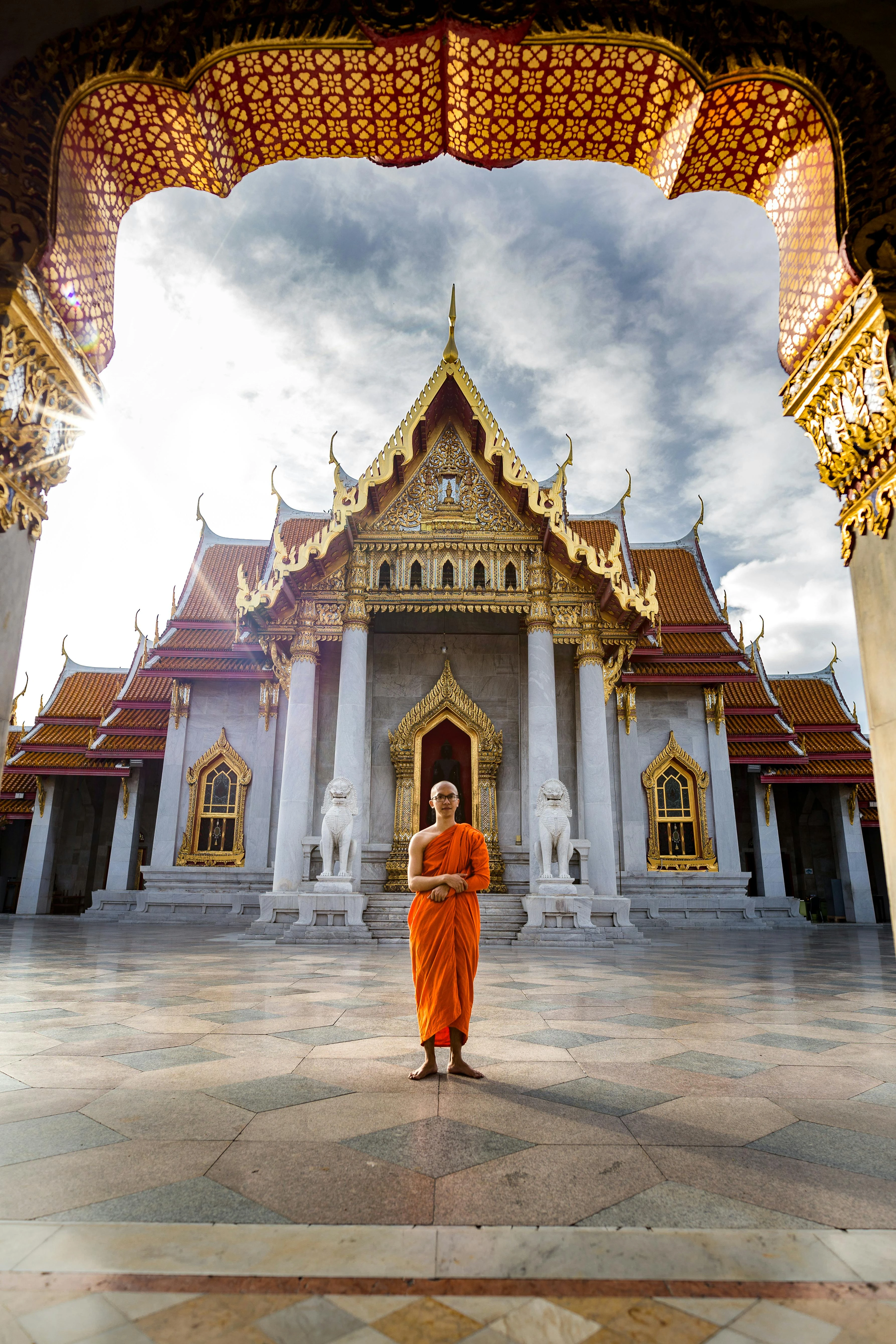
Respect Buddhism: remove shoes in temples, cover shoulders/knees. Thais are polite and non-confrontational – for example, if someone smiles ambiguously at you, they might be gently warning you to tone it down.
Cultural rules: Thais often queue politely and keep voices low in public spaces, so avoid loud outbursts. Public displays of affection are minimal. Always greet with a smile and a slight wai (hands pressed together) for politeness.
Women should avoid top-of-head contact or overly affectionate gestures around elders. In general, dressing and behaving respectfully will smooth your way through Thai society.
General Safety
Petty theft (pickpocketing) can happen in crowded areas, so keep an eye on your belongings. Use hotel safes for valuables. Tourist police (dial 1155) are readily available and often English-speaking – don’t hesitate to call them if something feels off.
Violent crime is uncommon, but exercise caution at night in unfamiliar areas (stick to well-lit, busy streets). Avoid political demonstrations. Southern provinces near the Malaysian border (e.g. Pattani, Yala) have occasional unrest and are best avoided unless necessary.

In summary, Thailand is safe for travelers who use common sense[[5]](https://www.tagthai.com/explore/p/is-thailand-safe-to-visit#:~:text=Thailand Is Safe%2C But Smart,Travel Still Matters). Keep copies of your passport handy, tell someone your plans, and you’ll find the country welcoming and secure. Amid smiles and spicy curries, the advice is simple: stay aware, follow local laws, and enjoy the experience – the Thai people and authorities will generally do the rest to help if needed.
Key safety tips: Carry local emergency numbers (Tourist Police 1155, Ambulance 1669, General Police 191), use registered transport (Grand taxi, reputable tour companies), and get travel insurance. By being prepared and respectful, your trip will be smooth and safe.
Frequently Asked Questions
Yes, Thailand is generally safe for tourists. Violent crime is rare in tourist areas, but petty theft and scams can occur. Travelers should stay aware, avoid risky areas at night, and follow local laws.
Common scams include the “Grand Palace is closed” scam, jet ski damage scams, taxi meter refusals, gem scams, and inflated tour prices. Always use licensed taxis, reputable tour providers, and official ticket counters.
Thailand is considered one of the safest countries in Southeast Asia for solo female travelers. Exercise normal precautions, avoid isolated areas at night, and use trusted transportation apps like Grab.
Yes. Thailand has strict laws regarding drugs (including vaping devices), disrespecting the monarchy, visa overstays, and certain public behavior. Penalties can include heavy fines or imprisonment.
Routine vaccines are recommended, and travelers should consider hepatitis A, typhoid, and travel insurance. Drink bottled water and use mosquito repellent in tropical areas.
About the Author
Paradise Luxury Travel is a global travel content team dedicated to crafting best travel insights, experience-driven destination guides. The Paradise Travel Team does the best work in looking for best destinations and travel companies to give you the best travel experience. This article is reguraly updated to reflect current hotel and tour information.
Disclosure: Some of the links on this site are affiliate links. This means we may earn a commission at no extra cost to you if you make a purchase through them. As an Amazon Associate, we earn from qualifying purchases.

Community Discussion
Ask questions, share feedback, or discuss this guide with other travelers.