Thailand for First-Time Visitors: Mistakes to Avoid & Smart Travel Tips
Research and travel experts
Visiting Thailand for the first time can be thrilling — the food, temples, markets, and beaches all differ from anywhere else. But certain pitfalls can trip up newcomers. Below are the top mistakes many tourists make, along with smart tips to keep your trip smooth and memorable.
Top Mistakes to Avoid
Falling for Tuk-Tuk Scams:
As noted above, avoid ultra-cheap tour offers from tuk-tuk drivers. They might sound exciting (“We go to Grand Palace now!” for 20 baht), but those deals usually end up in endless shopping stops or scamming. Instead: Insist on a metered taxi, or use ride-hailing apps (like Grab) for clear pricing.
Remember that tuk-tuks, while fun, are often more expensive than taxis for the same route. Use tuk-tuks for short rides only if price isn’t your concern and you enjoy the novelty.
Underestimating the Weather:
Thailand’s climate is tropical year-round. Many assume you must avoid the “rainy season,” but that can actually be a smart choice: prices drop, crowds thin out, and afternoon downpours are often short.
In fact, seasoned travelers note there’s no guaranteed dry season — even “dry season” months can see rain. Our advice: Pack a light rain jacket and appreciate the green landscapes. Always stay hydrated and take breaks, since heat and humidity can be intense even on cloudy days.
Expecting “The Beach” (Maya Bay):
Many come having seen The Beach movie and assume Maya Bay on Phi Phi Leh will be open. It isn’t — it closed in 2018 to recover from damage. If you plan around it, you’ll be disappointed. Instead: Enjoy other gorgeous islands. Some quiet gems are Koh Yao Yai, Koh Lipe, and Koh Kood. These offer equally turquoise waters with far fewer tourists.
Sticking to Only Bangkok + One Island
It’s common for first-timers to book a week in Bangkok and a week on Phuket or Koh Samui, then call it done. But Thailand is vast. If you have the time, explore multiple regions. For example, northern Thailand (Chiang Mai or Pai) offers lush highlands and culture. Southern Thailand’s Andaman Coast (Krabi, Phuket) is different from the Gulf islands (Koh Samui, Koh Tao). Beach lovers should hop at least between two or three islands to see varying landscapes. Travel bloggers warn that visiting only Bangkok and one beach “makes one think you’ve seen Thailand,” yet misses hidden gems and quieter spots.
Sleeping on Khaosan Road:
Many newbies choose Khaosan Road because it’s central and cheap. However, it’s extremely loud and seedy: the area is packed with backpackers, late-night parties, pimps, and scammy souvenir stalls. If you value sleep and cleanliness, stay in neighboring districts (like Phra Athit or Banglamphu backstreets) — you’ll be near the action but with quiet lodging.
Participating in Unethical Tourism:
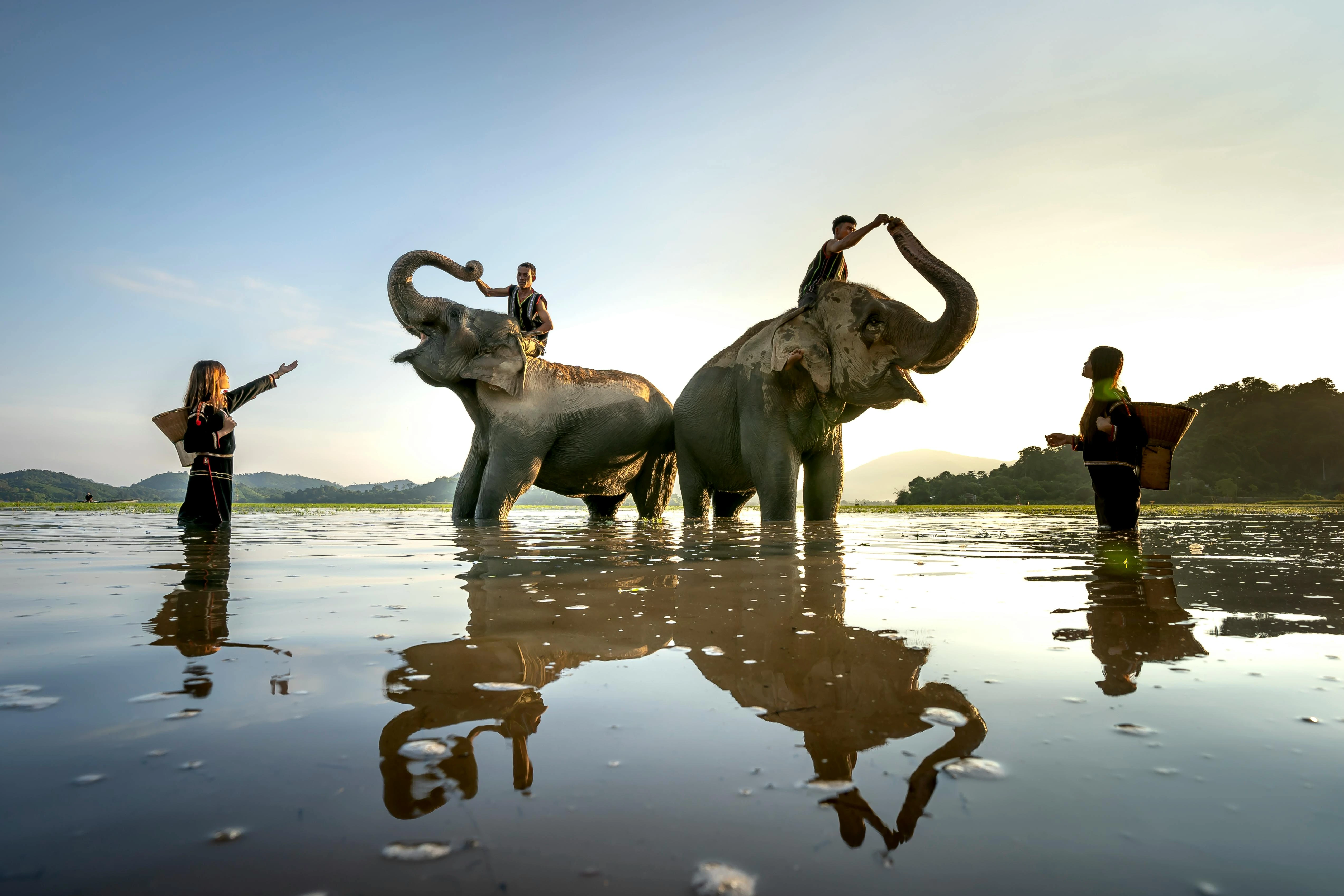
Young elephants and exotic wildlife are a major draw, but unfortunately many attractions exploit animals. Do not ride an elephant or visit any place where animals perform tricks. These industries involve cruelty. Instead, visit reputable sanctuaries that rescue elephants without forcing rides.
Likewise, skip any “temple” where you can pet or pose with big cats; these animals are drugged and mistreated. Enjoy Thailand’s natural beauty without supporting these harmful practices.
Believing Public Transit Is Always Cheaper:
In Bangkok, many think the skytrain (BTS) or metro (MRT) is cheapest. Surprisingly, for short trips with a group, using a metered taxi or Grab can be cheaper per person than individual BTS fares. Taxis can cost as little as 40 THB for a short ride, whereas two skytrain tickets might exceed that. Of course, traffic can be slow — try the BTS during rush hour and taxis on off-peak. Always have small bills handy for taxi fares and minor purchases.
Driving a Motorbike Unprepared:
The road from Chiang Mai to Pai (a scenic mountain route) is famous but dangerous for novices. This narrow, twisty road has seen accidents and even fatalities. If you’re not an experienced motorbike rider, skip renting a bike on this route — opt for the minibus or a car with a driver instead.
Ignoring Local Customs and Etiquette:
Thailand has deeply rooted traditions. To avoid offense:
- Dress modestly at temples – cover shoulders and knees (scarves and sarongs help.
- Remove shoes when entering temples, homes, some shops (look for shoe racks).
- Respect the monarchy – do not speak ill or make jokes about the royal family (it’s illegal).
- No pointing with feet or touching heads – feet are considered dirty (don’t put them on furniture or point them at people/objects), and the head is sacred.
- Women: don’t touch monks or hand anything to them.
- Don’t step on money, as currency bears the king’s image.
Hand gestures:
If a Thai person greets you with a wai (slight bow with palms together), return it respectfully. Embrace a calm, “mai pen rai” (never mind) attitude if small issues arise. These simple courtesies show respect and will make interactions much smoother.

Smart Tips for a Better Trip
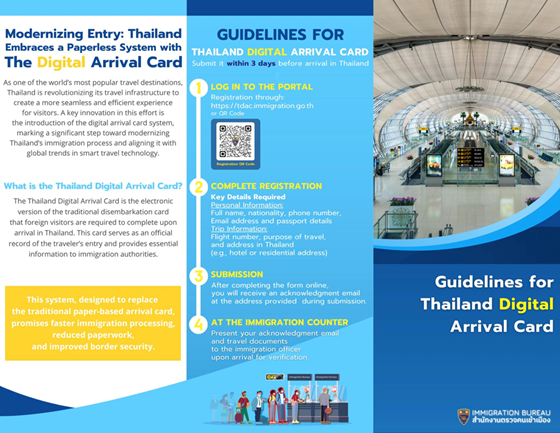
- Visa Preparation: Check current visa requirements well before you travel. (See the detailed Visa Guide below.) For many nationals, Thailand offers visa-free entry (60 days as of 2025) or visa-on-arrival. For longer stays, apply for a Tourist Visa or a new long-term “digital nomad” visa ahead of time. Keep copies of your passport and travel documents.
- Arrivals and Transport: After landing, use official airport taxis (counter in arrivals) or metered Grab cars to reach your hotel. Beware of touts offering “cheap” rides outside customs. Using [Kiwi.Taxi] or booking a limo/shuttle in advance adds convenience. For intercity travel, compare flights on [Kiwi.com] (often dirt-cheap domestic flights) versus trains and buses. Thailand’s overnight trains and buses can save a night’s accommodation cost for longer distances.
- Money and Budgeting: Thailand largely uses cash (Baht) in markets and taxis. ATMs are widely available, but stick to those in banks or malls to avoid skimmers. Small shops may not accept credit cards, so plan accordingly. Tipping is not mandatory but appreciated: often rounding up a bill or 20-50 baht for a meal or taxi is generous. Negotiate taxi fares upfront or insist on the meter. Change money at banks or official changers; street exchangers usually match bank rates.
- Communication: Buying a local SIM (AIS or DTAC) at the airport is easy and cheap; data plans are inexpensive. This helps with navigation (Google Maps works well), translation (Google Translate), and booking (Grab, travel apps). Free Wi-Fi is available in hotels and cafes, but data ensures you’re never lost.
- Health and Safety: Thailand’s tap water isn’t safe to drink, so always use bottled or filtered water. Ice in restaurants is generally safe since it’s made from clean water. Cover up or use strong repellent to avoid mosquito bites — malaria is limited to a few forest areas, but dengue fever can be present. Pharmacies are everywhere, and many staff speak some English. For medication, you can usually buy common drugs (e.g. paracetamol, antidiarrheals) over-the-counter, but carry any prescriptions with you. Travel insurance is strongly recommended for medical emergencies.
- Dress and Packing: Light, breathable clothing is key. Bring a shawl or scarf to cover up at temples and protect against sun. A good pair of walking shoes/sandals is useful for city exploration. If visiting highlands (Chiang Mai in cool season), pack a light jacket (it can get chilly at night in December-January). Don’t forget reef-safe sunscreen and hats. Electricity is 220V with types A/B/C (2-pin flat or round); bring an adapter.
- Culture Tips: Embrace Thai hospitality. Smile often and greet people with a wai gesture. Learning a few Thai words (hello = “sawasdee”, thank you = “khop khun”, excuse me = “khaw toht”) goes a long way. Understand that Thai people value harmony and ‘saving face’ – avoid loud arguments or confrontations in public.
Connectivity and Apps:
Download helpful apps:
- Grab for taxis and food delivery.
- Google Maps/Maps.me for navigation (offline mode is useful in areas without data).
- Language apps for quick translation.
- Currency converter and XE for current rates.
- If you plan to travel to multiple SE Asian countries, consider travel insurance that covers emergency medical evacuation (many plans are reasonably priced from major insurers).
With these precautions and local insights, your first trip to Thailand should be smooth and rewarding. Enjoy the delicious street food, the friendliness of the people, and the incredible landscapes — just as long as you respect the culture and make informed choices.
Frequently Asked Questions
Common errors include falling for taxi scams, ignoring visa rules, overpacking for humid weather, and skipping travel insurance. Stick to metered taxis, check visa exemptions, pack light layers, and get coverage to avoid costly surprises.
Expect $50–100 USD daily per person for mid-range travel, covering food, hostels, transport, and attractions. Budget extra for flights and islands; use apps like Grab for savings and street food for authentic, cheap eats.
Yes, but stay vigilant against pickpockets in Bangkok and petty scams. Choose well-reviewed accommodations, travel during daylight, and join group tours for peace of mind—millions visit safely yearly.
Essentials: lightweight clothes, rain jacket, reef-safe sunscreen, reusable water bottle, power bank, and modest attire for temples. Skip heavy items—laundry services are cheap and everywhere.
November to February for cool, dry weather ideal for beaches and cities. Avoid rainy season (June–October) unless you want deals; shoulder months like March–May offer fewer crowds.
About the Author
Paradise Luxury Travel is a global travel content team dedicated to crafting best travel insights, experience-driven destination guides. The Paradise Travel Team does the best work in looking for best destinations and travel companies to give you the best travel experience. This article is reguraly updated to reflect current hotel and tour information.
Disclosure: Some of the links on this site are affiliate links. This means we may earn a commission at no extra cost to you if you make a purchase through them. As an Amazon Associate, we earn from qualifying purchases.

Community Discussion
Ask questions, share feedback, or discuss this guide with other travelers.