Thailand Travel Guide 2026: Everything You Need to Know Before You Go
Research and travel experts
Entry Requirements, Visas & Travel Health
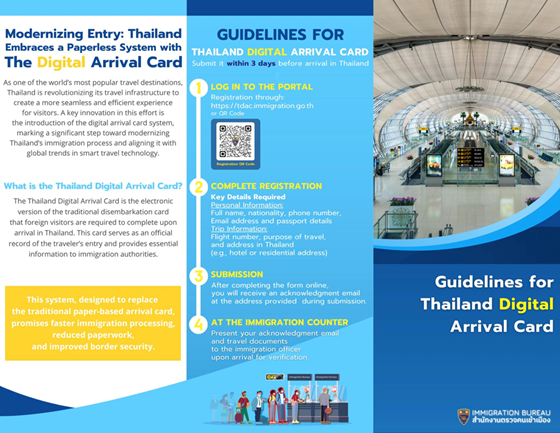
Thailand has removed most COVID-era entry barriers: no more Certificates of Entry or Thailand Passes and no mandatory tests. However, all travelers still need a valid passport (with at least 6 months’ validity from entry) and must complete the new online Thailand Digital Arrival Card before arrival (mandatory for everyone from May 1, 2025). Many nationalities qualify for visa-free entry (formerly 60 days, soon 30 days under updated rules), with extensions or tourist visas available for longer stays. Travel insurance is highly recommended (though not legally required), to cover health issues or travel interruptions. Health precautions are important: ensure you are up-to-date on routine vaccines (MMR, polio, etc.) and get recommended shots (e.g. Hepatitis A/B, typhoid) before travel. Use insect repellent and take precautions against mosquito‑borne diseases (dengue is common; malaria exists in remote areas). In short, Thailand welcomes visitors with minimal red tape, but come prepared with proper documents and health measures.
Best Time to Visit (Month-by-Month)
Thailand’s climate varies by region, but generally cool-dry season (Nov–Feb) is peak tourist time, and the monsoon hits around May–Oct (varies by coast). Here’s a quick month-by-month overview (all citing G Adventures):
- January: Cool, dry weather nationwide (20–30°C). Perfect for sightseeing and beaches; high season crowds and festivals.
- February: Still dry and sunny. Great for beaches (south) and trekking (north). Chiang Mai hosts the flower festival.
- March: Transition to hot season. Temperatures rise (up to mid-30s°C); still mostly dry, good for beach escapes or city tours.
- April: Very hot (often >40°C) with the famous Songkran (Thai New Year water festival). Expect heat and celebrations; stay hydrated.
- May: Start of the monsoon. Rainfall increases in the Andaman region (Phuket/Krabi), though showers are often short. Tourism dips (lower prices).
- June–July: Peak rainy season. Frequent afternoon rains (especially west coast), but mornings are often clear. Lush green landscapes and fewer crowds. Gulf islands (Koh Samui/Phangan) are comparatively drier.
- August–September: Very wet. September is usually the wettest month, offering the cheapest deals but heavy rains. A good time for lower-budget travel if you don’t mind sporadic storms.
- October: Monsoon wanes mid-month. Weather dries gradually, especially in the north. Good transitional time: still green countryside but improving skies.
- November: Cool, dry season begins. Ideal for nearly every activity – city sightseeing, trekking, beaches – and Loy Krathong festival (floating lanterns).
- December: Peak high season. Cool, mostly dry, abundant sunshine (20–30°C). Beach destinations and northern hill areas (e.g. Chiang Mai) are especially pleasant.
Top Destinations
Thailand offers a diverse range of destinations. Each has its own flavor and highlights:
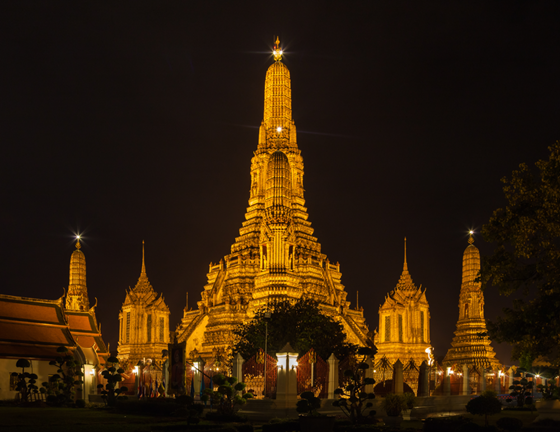
Bangkok (Central Thailand): Thailand’s bustling capital – a chaotic yet charming metropolis blending gleaming skyscrapers and historic temples. Key sights include the Grand Palace (Wat Phra Kaew), Wat Pho, and vibrant street markets. Bangkok is famous for its street food, shopping malls, nightlife districts (Khao San, Sukhumvit), and river cruises.
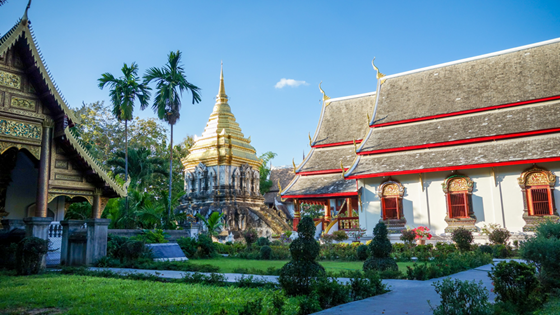
- Chiang Mai (Northern Thailand): Known as the cultural hub of northern Thailand. Surrounded by mountains, it offers hundreds of Lanna-era temples (Wat Doi Suthep, Wat Phra Singh) and a laid-back vibe. It’s a base for trekking, elephant sanctuaries, hilltribe villages, and flower festivals. Cooler mountain air sets it apart from the lowlands.
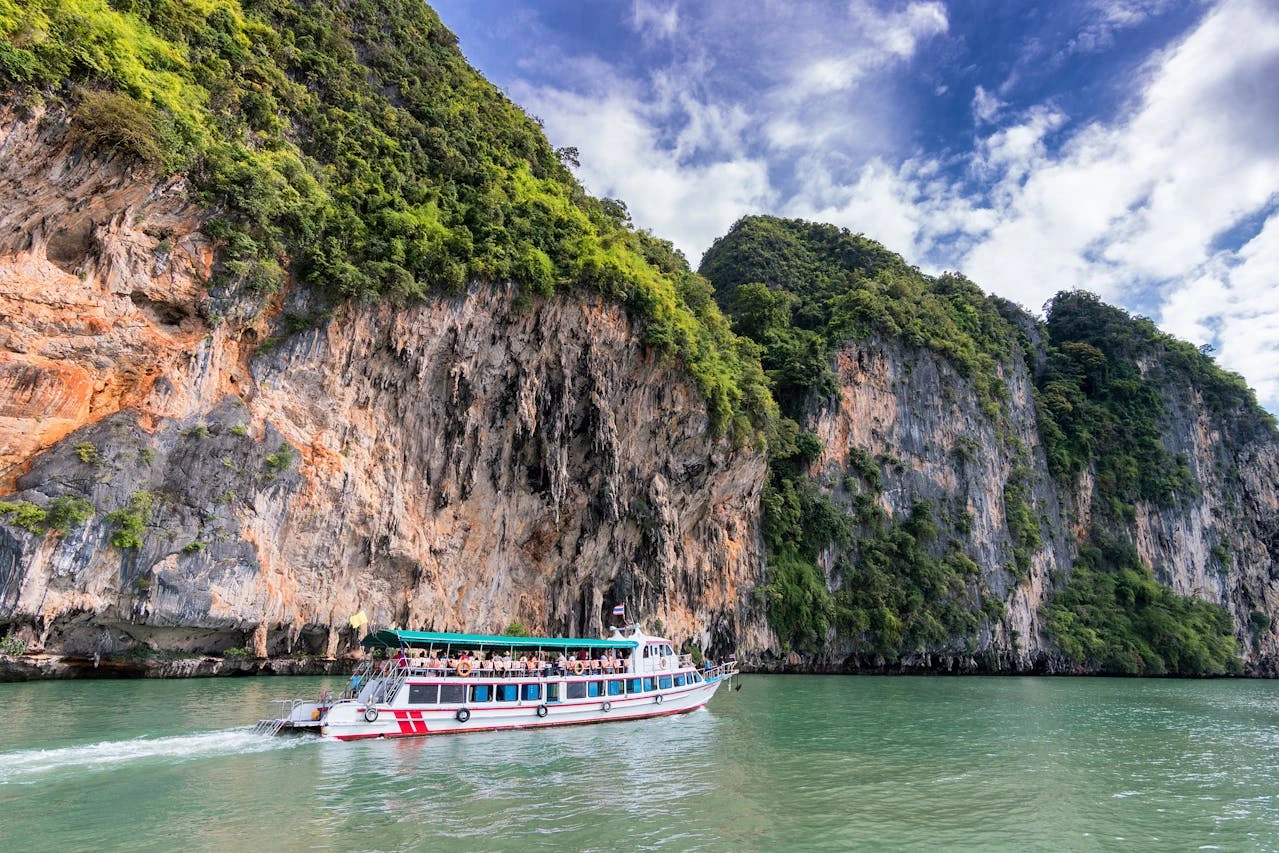
- Phuket (Andaman Coast): Thailand’s largest island – famed for its beaches and tropical scenery. Busy Patong Beach is the best, while quieter shores (Kata, Karon) offer sun and surf. Phuket also has rainforests, cultural sites (Big Buddha, Old Town) and is a launch point for island tours (Phi Phi, Phang Nga Bay).
- Koh Samui (Gulf of Thailand): A palm-fringed resort island known for sparkling beaches and relaxed island life. Chaweng and Lamai beaches have the most amenities and nightlife; the interior has waterfalls and temples. Koh Samui’s water taxis and ferries connect to Koh Phangan (Full Moon Party) and Ang Thong Marine Park.
- Krabi Province (Andaman Coast): Mainland province famed for limestone karst islands and clear waters. Ao Nang and Railay Beach are bases for climbing and beaches; nearby islands like Koh Phi Phi offer legendary scenery. Krabi also has mangrove forests, hot springs, and laid-back Khao Sok National Park nearby.
Must-Do Experiences
Thailand is rich in unique experiences. Don’t miss these highlights:
Temples & Culture: Visit spectacular temples – e.g. Bangkok’s Grand Palace/Wat Phra Kaew and Wat Pho, Chiang Mai’s Doi Suthep and old-city wats, and the ancient ruins of Ayutthaya or Sukhothai. Observe Buddhist rituals respectfully (cover shoulders/knees, remove shoes, etc.).
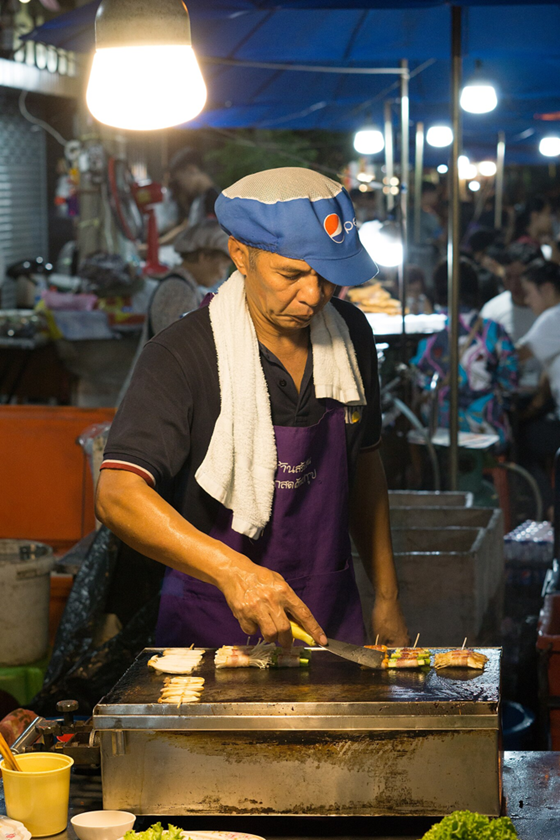
- Thai Street Food & Cuisine: Bangkok and Chiang Mai night markets overflow with street snacks. Sample Pad Thai, som tam (papaya salad), mango sticky rice, and countless curries from vendors. Thai food is famously affordable (just $1–3 for a street meal), so eat often and everywhere – from market stalls to casual restaurants. For a deeper dive, take a Thai cooking class or food tour.
- Island Hopping & Beaches: Take boat trips to scenic islands – Phuket/Phang Nga tours (James Bond Island), Phi Phi and Similan Islands for snorkeling, or the idyllic Koh Lanta. Each coastal region has pristine beaches; don’t miss sunrises on the east coast (Samui/Phangan) or sunsets on the west (Phuket, Krabi). Beach clubbing and water sports (snorkel, kayak) are popular activities.
- Elephant Sanctuaries: Thailand is known for elephants, but avoid rides. Instead, visit ethical sanctuaries (e.g. Chiang Mai’s Elephant Nature Park) to observe and feed rescued elephants in a humane environment. This supports conservation and provides a memorable wildlife experience.
- Wellness & Relaxation: Indulge in traditional Thai massage and spa treatments (Thai massage is a UNESCO-listed heritage). Wellness retreats in Chiang Mai or Pai offer yoga, meditation, and herbal therapies. For pure relaxation, enjoy a morning yoga on the beach or an herbal sauna session.
- Markets & Festivals: Explore colorful markets – Chatuchak Weekend Market (Bangkok), floating markets (Damnoen Saduak), and local night bazaars. Time your visit for festivals like Songkran (mid-Apr) or Loy Krathong (Nov) to experience Thai culture firsthand.
Budget Breakdown by Travel Style
Thailand can fit any budget. Typical daily costs (per person) are roughly:\
- Budget (Backpacker): ~US$30–50/day. Stay in hostels or guesthouses (~$5–15/night dorm), eat street food and local eateries (~$8–15/day), use public buses or tuk-tuks (~$3–8/day), and focus on free/low-cost sights (temples, parks, beaches).\
- Mid-Range: ~US$60–100/day. Private 3-star hotel (~$25–50/night), mix of street and sit-down meals (~$20–35/day), taxi/Grab or occasional flights (~$10–20/day), and entrance fees/tours (~$15–30/day).\
- Luxury: ~US$150–300+/day. 4–5 star resorts ($80–200+), fine dining ($40–80+), private transfers/charters ($30–60), premium tours and spa treatments ($50–150+). Even luxury in Thailand often costs less than comparable Western travel.
(Example prices from mid-2025 data.) but check real current data on Expedia

Safety, Etiquette & Scams to Avoid
Thailand is generally safe for tourists, but observe these tips:
- Cultural Respect: Always use the respectful wai greeting and dress modestly in temples (cover shoulders/knees). Never disrespect the King or Buddha images. Do not touch people on the head or point feet at religious icons.
- Common Scams: Beware of unsolicited offers. Always insist on metered taxis or use Grab (ride-hailing app) – skip tuk-tuk and taxi drivers who lure you with all-day tours. Refuse “helpful” strangers who say attractions are closed and suggest overpriced tours ending in gem stores. Report any tourist issues to the Tourist Police (dial 1155).
- Health Precautions: Stick to bottled or filtered water to avoid stomach upsets. Protect against mosquitoes (dengue is endemic, and some rural malaria risk)) by using repellent and netting if needed. Heat exhaustion is common – drink plenty of fluids and wear sun protection.
- Emergency Planning: Thailand’s tourist police (1155) and medical services (1669) are English-friendly. It’s wise to have travel insurance and keep digital copies of your documents.
Getting Around Thailand
Transportation is easy and affordable:
- Domestic Flights: Budget carriers (AirAsia, Nok Air, Thai Vietjet) link Bangkok with Chiang Mai, Phuket, Krabi, and islands. Book in advance for best fares. Flight time is ~1–2 hours.
- Trains: Overnight and day trains run north (Bangkok–Chiang Mai) and south (Bangkok–Surat Thani/Khon Kaen). Sleeping berths are comfortable and save a night’s hotel. Daytime scenic routes are also enjoyable.
- Buses & Minivans: An extensive bus network connects almost every town. Luxury AC coaches on popular routes (e.g. Bangkok–Chiang Mai) cost $10–25; local buses are even cheaper. (Local short-hop buses can be just $0.30–1.)
- Ferries & Boats: Southern islands are reached by ferry or speedboat. Popular routes include Phuket–Phi Phi (2 hrs) or Surat Thani–Koh Samui (1.5 hrs). Schedule boats carefully in the low season when seas can be rough.
- City Transport: In Bangkok and Chiang Mai use the BTS/MRT (subway) and Grab taxis. Outside big cities, you’ll use tuk-tuks, songtaews (red trucks), or motorbike taxis. Always negotiate or confirm the price/meter.
- Local Advice: Download the Grab app – it’s widespread and often cheaper than taxis. For buses and trains, use official apps/websites to book tickets.
Booking & Practical Tips
- Hotels & Accommodation: Book through Agoda, Booking.com or Airbnb. Compare prices – hostels can be found for $10/night and resorts for $200+ depending on season. Check cancellation policies (plans change!).
- Tours & Activities: Reliable platforms like Klook, Viator, and GetYourGuide offer everything from cooking classes to full-day island tours. Always read recent reviews. For local deals, visit tourist centers or hotel concierge (but be wary of hidden surcharges).
- SIM Cards & Internet: Buy a local SIM at the airport (AIS, True, DTAC) or 7-Eleven; typical 30-day data packages (~30–50 GB) cost around $10–20. Coverage is good nationwide. Free Wi-Fi is common in hotels and cafes, but mobile data is handy for navigation and translation.
- Travel Insurance: While not required, insurance is strongly advised. Many carriers (World Nomads, SafetyWing) offer Thailand-specific plans including evacuation. Read the fine print on medical and theft coverage, especially if you plan adventure activities.
Smart Planning & Post-COVID Changes
Thailand’s travel landscape has fully rebounded post-COVID: no quarantine or testing, and domestic tourism infrastructure is back in full swing. A few things to note:
- Digital First: Government services (like the new digital arrival card) and tourism info are increasingly online. Use official sites for visa updates (e.g. ThaiEmbassy.com) and check news for rule changes.
- Trip Priorities: Skip over-hyped tourist traps (e.g. persistent gem/silk shop tours). Focus instead on authentic experiences (local markets, cooking classes, national parks). Plan your itinerary around your interests – whether it’s culture, nature, beaches, or wellness.
- AI & Apps: Modern travelers often use AI tools (Google Maps, ChatGPT, travel forums) to refine plans. These can suggest routes and hidden spots, but always double-check times and prices on official sources. For example, use Google Flights for cheap airfares or the Seat61 website for train schedules.
- Local Changes: Thailand is shifting towards sustainable tourism. You’ll see more promotion of community-based tours and eco-lodges, especially in places like Pai or Chiang Rai. Supporting these helps local economies and often provides a richer experience.
- What to Skip: The old “Temple of the Emerald Buddha is closed today” trick – just go early. Don’t waste time on overpriced street performances or shows unless they’re highly recommended by fellow travelers. Instead, prioritize something unique to Thailand: perhaps a Muay Thai match, a night at the Floating Lantern Festival, or a Muay Thai class.
About the Author
Paradise Luxury Travel is a global travel content team dedicated to crafting best travel insights, experience-driven destination guides. The Paradise Travel Team does the best work in looking for best destinations and travel companies to give you the best travel experience. This article is reguraly updated to reflect current hotel and tour information.
Disclosure: Some of the links on this site are affiliate links. This means we may earn a commission at no extra cost to you if you make a purchase through them. As an Amazon Associate, we earn from qualifying purchases.

Community Discussion
Ask questions, share feedback, or discuss this guide with other travelers.