
Bangkok – Thailand’s sprawling capital – is a city of contrasts: gilded temples and royal palaces stand amid cutting-edge skyscrapers, while street carts selling noodle soup bustle next to luxury malls. It’s a city that truly “has a bit of everything,” from cheap thrills and unique experiences to world-class cuisine and cultural landmarks. Foodie heaven, cultural hotspot and nightlife central, Bangkok promises a sensory overload that keeps visitors hooked.

Quick Facts:
Best for: Cultural explorers, foodies, couples, backpackers, and party-seekers.
Budget: From budget (฿฿) up to luxury (฿฿฿).
Ideal trip length: 3–5 days (longer if including day trips).
Best time to visit: Cool/dry season (Nov–Feb); shoulder months (Mar–Jun) for fewer crowds; wet season (Jun–Oct) has rain and deals.
Why Visit Bangkok (Overview)
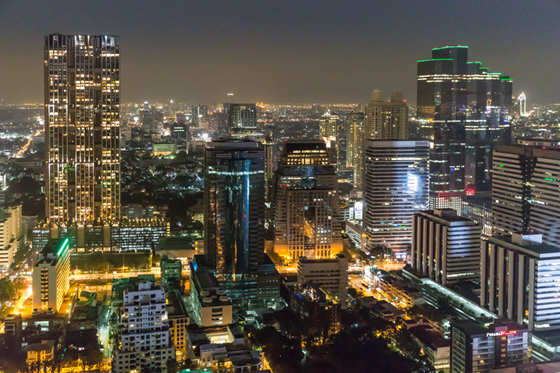
Bangkok’s energy and diversity make it one of Asia’s most compelling cities. Here you can meditate at an ancient golden temple in the morning, shop a high-end mall by afternoon and sample world-famous street food by night. The vibe is vibrant and fast-paced – a party-loving, foodie-friendly metropolis that also offers deep cultural treasures. It’s perfect for travelers who love culture (many temples and museums), food (street markets and Michelin-starred restaurants).
Even shopping-mall life in Bangkok is an attraction, with each mall (Siam Paragon, Terminal 21, etc.) having its own flair. In short, Bangkok’s dynamic mix of royal heritage, modern luxury and everyday street scene leaves many visitors enchanted.
Top Things to Do in Bangkok
Bangkok’s must-see attractions
range from grand temple complexes to bustling markets and everything in between. A few top picks:
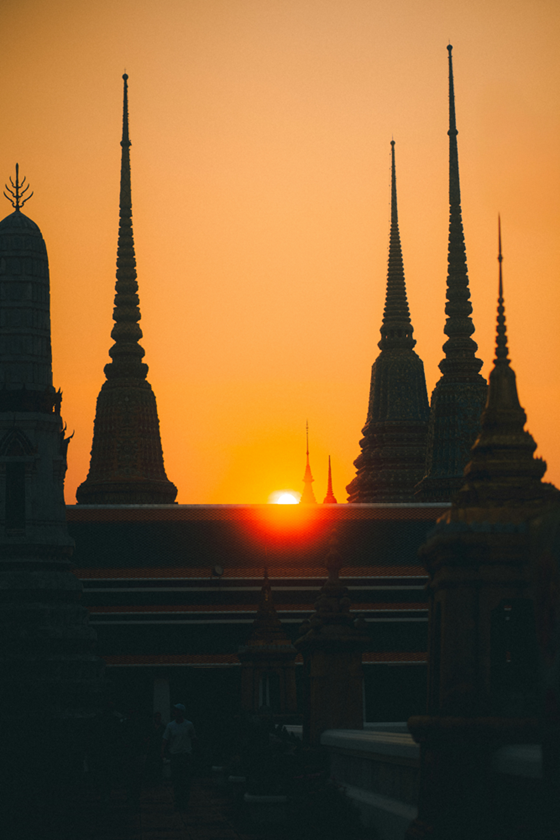
- The Grand Palace & Temples: Explore Bangkok’s iconic Grand Palace, home of the Emerald Buddha, and nearby Wat Pho (reclining Buddha) and Wat Arun (Temple of Dawn). This morning ritual is a culture-lover’s must. It’s great for all travelers (families, couples, solo) and takes ~3–4 hours. (Tip: modest dress is required.)
- Chao Phraya River Cruise: Take a river taxi or evening dinner cruise on the Chao Phraya to see the city from the water. This relaxing activity (~2–3h) shows temples, markets and skyscrapers from a new angle. It’s ideal for couples and families, and cheaper than tourist boat tours.
- Floating Markets: Visit a floating market like Taling Chan or Khlong Lat Mayom for a half-day tour. Sample fresh tropical fruits and local eats from boats, and soak in the scene of vendors on the water. Good for culture seekers and foodies, about a morning or afternoon activity.
- Street Food & Chinatown: Dive into Chinatown (Yaowarat) and other street stalls to taste Bangkok’s legendary street food. From pad thai and dim sum to mango sticky rice, this is a $1 gourmet adventure. Best for food lovers and budget travelers (just an evening or meal). Pro tip: Eat where the locals do (long line = good!).
- Chatuchak Weekend Market: Explore the mammoth Chatuchak Market (Sat–Sun) – 8,000+ stalls selling everything under the sun. Perfect for shopaholics and bargain hunters. Plan 3–4 hours (or longer) to wander.
- Muay Thai Boxing: Watch a live Muay Thai match at Rajadamnern Stadium (or Lumpinee). This 2-3 hour show is thrilling and very Thai. (Check schedules – there’s typically a fight almost nightly.) Great for sports fans or adventure-seekers.
- Lumpini Park: Relax at Lumpini Park, Bangkok’s “Central Park,” for a break from traffic and temples. Rent a swan boat or watch locals doing tai chi. A pleasant 1–2 hour afternoon spot for families and all ages.
Each attraction above is linked to its own guide or tour for more info (e.g. a Viator tour of the Grand Palace or river cruise tour), making it easy to explore further.
Best Areas to Stay in Bangkok
Bangkok is sprawling, so pick a neighborhood that fits your style:
- Luxury & Riverside (Riverside/Sukhumvit): For upscale hotels and resorts, stay along the Chao Phraya River (near ICONSIAM, Mandarin Oriental) or on Sukhumvit’s high-end strip (Thonglor/Ekkamai). Riverside offers elegant calm and river views, while Sukhumvit (Nana/Asoke) has luxury malls and fine dining. Both areas feel modern and are great for luxury travelers, couples, and city-shoppers.
- Families & Shopping (Siam/Pratunam): The Siam and Pratunam districts are centrally located with huge malls (MBK, Siam Paragon, CentralWorld) and the Siam BTS station. It’s safe, clean and convenient. Ideal for families and first-time visitors who want easy transit access and mall-based entertainment.
- Budget & Backpackers (Khao San/Old City): The Khao San Road/Banglamphu area is famous among backpackers. It’s packed with cheap guesthouses, street food stalls and travel agencies. Expect a bustling, party-like vibe. This is best for backpackers and budget travelers.
Each area has its own character, so choose based on your priorities (luxury vs. price vs. nightlife). To find the best deals, book through Expedia or Booking.com, which often return great rates for Bangkok hotels (and often include free cancellation).
Sample Itineraries
3-Day Bangkok Itinerary:
- Day 1: Morning – Grand Palace, Wat Pho, Wat Arun (temple tour); Afternoon – River cruise and Lumpini Park.
- Day 2: Morning – Damnoen Saduak or Taling Chan floating market; Lunch in Chinatown (street food tour); Afternoon – Jim Thompson House or Bangkok Art & Culture Centre; Evening – Rooftop bar or Muay Thai match.
- Day 3: Morning – Chatuchak Weekend Market (if weekend) or sample a local market; Afternoon – shopping in Siam (MBK/Siam Paragon) or optional museum; Evening – Dinner cruise or Thai dinner + traditional dance show.
- 5-Day Bangkok Itinerary: (Includes all of 3-day plus…)
- Day 4: Explore Dusit Palace area (Vimanmek Teak Mansion), or visit Museum of Siam and nearby attractions; Afternoon – river taxi through smaller canals or explore Chinatown’s temples; Evening – Calypso Cabaret (ladyboy show) or more street food hunting.
- Day 5: Day Trip to Ayutthaya (ancient capital, ~1.5h train). Visit UNESCO World Heritage ruins like Wat Mahathat. It’s easy by train (130 THB) or book a guided tour (Viator has many). Return to Bangkok late afternoon; enjoy a relaxed dinner by the river.
- 7-Day Bangkok Itinerary: (For a deeper dive…)
- Days 1–5: Same as above.
- Day 6: Kanchanaburi day trip: Take an early train (or tour) to Kanchanaburi. Visit the Bridge on the River Kwai and Erawan Waterfall. It’s ~2–3 hours each way and well worth it for history and nature lovers.
- Day 7: Leisure day in Bangkok. Perhaps lounge at Lumpini Park, do any last-minute shopping, or visit any sights you missed. End with a farewell Thai massage.
These itineraries cover major highlights without rushing. (For each activity, consider booking through Viator or local tours to skip lines and get insider insights.)
When to Visit (Weather Guide)
High Season (Cool/Dry – Nov to Feb): Bangkok’s cool season runs roughly November–March. Days are warm (mid-20s°C) and dry – ideal sightseeing weather. This is peak tourist season, so attractions are busy and prices are highest. It’s also festive (Christmas, New Year, Chinese New Year).
Shoulder Season (Hot – Mar to Jun): Temperatures soar in April–May (often 35–40°C). April also brings Songkran (Thai New Year water festival) – fun but very crowded. Costs drop slightly and crowds thin, but prepare for extreme heat.
Rainy Season (Monsoon – Jun to Oct): Monsoon rains fall mainly June–October, with heaviest storms in Sep–Oct. Showers are often afternoon bursts. Tourist numbers are lower and deals on hotels & flights are plentiful. However, heavy rain can disrupt outdoor plans (and cause flooding). If you don’t mind the rain, this is the cheapest time to visit.
Pros/Cons: High season = best weather but higher costs and crowds. Rainy season = green landscape, low prices, fewer tourists, but risk of downpours. As one guide notes, “The best time to visit Bangkok is whenever you’re able to go” – but if you want to avoid rain and heat, aim for Nov–Feb.
How to Get to Bangkok
- By Air: Bangkok has two airports. The main Suvarnabhumi (BKK) is a modern international hub with global flights. Don Mueang (DMK) handles many low-cost Asian carriers (AirAsia, Nok Air, etc.). Note: Check your tickets carefully – a common mistake is going to the wrong airport. From BKK, the Airport Rail Link (city train) reaches downtown in ~30 minutes. From DMK, use taxis or the new DMK–Bangkok line.
You can book flights to Bangkok via Kiwi.com to compare all airlines and get the best deals.
- From Other Thai Cities: Bangkok is Thailand’s main transit hub. High-speed trains and buses link it to Chiang Mai, Phuket, and more. For example, sleepers run overnight to Chiang Mai/Pattaya, and express buses depart from Ekkamai/Guru stations to beaches. You can also take a river ferry (Chao Phraya Express Boat) for short hops in the city.
- Airport Transfers: On arrival, official taxis and airport limos are available, but for convenience consider booking a door-to-door transfer via Kiwitaxi. (This prepaid service avoids touts and assures a set price.)
- By Private Jet: For luxury travelers, Villiers Jets offers private charter flights into Bangkok’s airports for a premium experience.
Whether you fly or land by train, Bangkok’s excellent road and rail connections make it easy to reach from anywhere in Asia or beyond. Once you arrive, remember that traffic can be heavy – the BTS Skytrain, MRT subway and river taxis are often faster for getting around the city.
Insider Tips & Mistakes to Avoid
Avoid Tourist Scams: Be wary around major sights (Grand Palace, Khao San, etc.). Common scams include tuk-tuk drivers offering ultra-cheap tours or “grand palace closed” tricks. Firmly say no to unsolicited guides or overpriced deals. (Tip: use metered taxis or the red-airport taxis to city.)
Embrace Street Food (Safely): Don’t shy away from street eats – Thailand is famous for $1 meals. Choose busy stalls (lasting line = good). Use bottled water, ask for fresh ice in drinks, and watch food preparation. Avoid any fruit or vegetables that haven’t been washed (or peeled) in front of you.
Respect Local Customs: Thailand is the “Land of Smiles,” but be mindful of etiquette. Always remove shoes in temples and homes. Dress modestly at religious sites (cover shoulders and knees). Don’t disrespect Buddha or the royal family – it’s a serious offense. On buses or trains, don’t sit in seats reserved for monks or pregnant women (you’ll see signs). Use your right hand for giving/receiving. A little cultural sensitivity goes a long way.
Use Public Transit: Bangkok’s traffic is infamous. The BTS Skytrain, MRT subway and Airport Rail Link are fast, clean and cheap – often quicker than taxi. Don’t skip them just to save a few baht; rides are air-conditioned and stations have English signage. Even from the airport, the Airport Rail Link can beat ground transport.
Stay Connected: Having data helps (for navigation and translation). Consider buying a Thai SIM card at the airport or using an international eSIM. For example, a low-cost eSIM (like Airalo) can save roaming charges. A reliable connection is invaluable for ride-hailing apps (Grab) and maps.
In short: be street-smart, respect Thai customs, and plan transit ahead. With these tips, you’ll avoid the usual pitfalls (overpriced tours, pickpockets in crowds, etc.) and travel like a pro.
Safety & Practical Information
Bangkok is generally safe, especially by daytime, but use usual big-city caution. Keep an eye on belongings in crowded markets or on public transit (Bangkok ranks high for pickpockets). Nighttime in tourist areas is lively but watch for overly friendly strangers or unwelcome solicitations. Official advice for Thailand urges travelers to “exercise a high degree of caution” in popular areas including Bangkok. (Political protests are rare but avoid any demonstrations.)
Petty Crime: Petty theft can happen, so use hotel safes for valuables and carry small amounts of cash. Credit cards are widely accepted in malls and nicer restaurants; still carry cash (Thai baht) for street vendors and tips. Most ATMs in Bangkok are safe, but only use machines attached to banks or hotels to avoid skimming scams.
Scams: Beware “gem scams” (offers to take you to a jewelry store for a cut-rate deal) and inflated taxi meters. If a tuk-tuk ride seems too cheap, the driver may try to detour you into overpriced shops or tours. Politely decline and stick to trusted transportation.
Transport: Besides the BTS/MRT, use Grab app (local Uber) or registered taxis when possible. If hailing a motorcycle taxi, agree on a price first. Taxis will charge by meter – insist they use it, or walk away. For long distances (e.g. airport transfer), pre-book with Kiwitaxi or the official airport taxi queue.
Internet & SIM: Tourist SIM cards (from AIS, DTAC or TrueMove) are cheap and give you local 4G. They’re sold at airport booths and convenience stores. An eSIM like Airalo is another easy option. Free Wi-Fi is available in many hotels, cafes and malls, but mobile data is handy for maps.
Money: The currency is Thai Baht (THB). Most places accept small bills (20–100) – carry change for tuk-tuks and markets. Tipping is not mandatory but appreciated in restaurants (5–10% common). Credit cards (Visa/Mastercard) work in big hotels and malls; cash is king for street food and local markets.
Health: Bangkok tap water is chlorinated but usually locals stick to bottled water. You can safely drink filtered or boiled tap water if needed, but it’s easiest to buy bottled. Stay hydrated (it’s hot!) and carry sunscreen. Health facilities are excellent; travel insurance is recommended for any emergency.
By following these practical tips – and using common sense – you’ll stay safe and make the most of Bangkok. (In case of emergency, dial 191 for police or 1155 for tourist police.)
Travel safe with Paradise
Top Travel Guides for Bangkok
No related articles yet.
Best Experiences in Bangkok
Frequently Asked Questions
Bangkok is famous for the Grand Palace, Wat Arun, floating markets, street food, luxury malls and vibrant nightlife. It combines historic temples with modern skyscrapers
Most travelers need 3–4 days in Bangkok to see major temples, explore markets, enjoy street food and take a day trip to Ayutthaya or a floating market.
Sukhumvit is best for nightlife and transport access, Riverside for luxury and views, and Silom for central convenience. First-time visitors often prefer Sukhumvit or Riverside.
Yes, Bangkok is generally safe. Violent crime is rare, but travelers should watch for common scams, avoid unlicensed taxis and stay aware in crowded areas.
The best time to visit Bangkok is November to February, when temperatures are cooler and humidity is lower. This is also peak tourist season.