
Phuket is Thailand’s largest island, known for white-sand beaches, luxury resorts and island-hopping tours to Phi Phi and Phang Nga Bay. Popular areas include Patong for nightlife, Kata for families and Bang Tao for upscale stays. It’s ideal for beach lovers, couples and first-time visitors to Thailand.
Why Visit (Overview)
Phuket’s unique appeal lies in its diverse blend of nature and culture. You’ll find paradise beaches alongside rainforests and wildlife. Its warm island vibe – from golden beaches to ornate temples – makes Phuket ideal for relaxed beach holidays, cultural exploration, and adventure alike.
The island caters to all travel styles: honeymooning couples stroll scenic viewpoints at sunset, families build sandcastles on gentle bays, and thrill-seekers dive or kayak around limestone karsts. In town you can explore Sino-Portuguese architecture and street markets. Overall, Phuket feels both laid-back (quiet southern beaches, spa resorts) and vibrant (Old Town festivals, lively beachfront areas)– it truly has something for everyone.
Top Things to Do
-
Beaches (Patong, Kata, Karon, Nai Harn, etc.) – Phuket’s famous beaches each have their own character. Patong Beach is a wide bay with white sand and clear water, while neighboring Kata and Karon offer family-friendly shores and surf breaks. Quiet Nai Harn on the south end is less crowded and ideal for swimming. Great for sunbathing, swimming or surfing; plan 2–4 hours per beach (half-day or full-day visits).
-
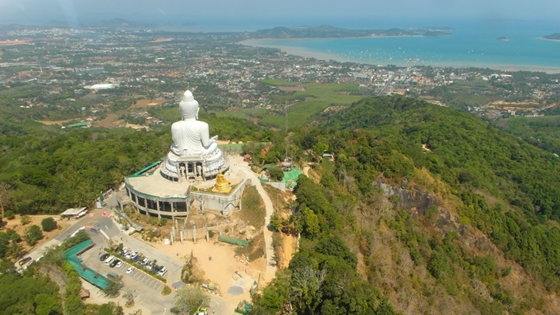
Big Buddha & Wat Chalong (Landmarks) – Phuket’s iconic cultural sites. The 45m Big Buddha statue atop Nakkerd Hill offers panoramic island views. (
-
Kata Bay.) Nearby Wat Chalong is Phuket’s largest Buddhist temple, known for its ornate multi-tiered buildings. Both are great for culture lovers; allow about 1–2 hours to explore each.
-
Island Hopping (Phang Nga, Phi Phi, Racha) – Day cruises to nearby islands are a must. Phang Nga Bay (including James Bond Island) is famous for its limestone karsts; tours often include sea-cave canoeing and hidden lagoons. The Phi Phi Islands (including Maya Bay) are renowned for snorkeling (requires permits); Ko Racha Yai and Ko Mai Thon are idyllic beaches for diving. Perfect for adventure seekers; full-day tours (8–10 hours) are common.
-
Phuket Old Town & Local Markets – Explore Phuket Town’s historic district with its colorful Sino-Portuguese buildings and local museums. Don’t miss the vibrant weekend markets: Naka Night Market (Fri–Sat) and Chillva Market (Thu–Sat) have street food and crafts. Great for foodies and culture buffs; an evening or half-day stroll is recommended.
-
Elephant Sanctuary (Ethical Wildlife) – Visit the Phuket Elephant Sanctuary, a 30-acre refuge for rescued elephants. Here you can observe and feed retired elephants (no riding or performances allowed). It’s ideal for families and animal lovers; most visits last 3–4 hours, often half-day tours.
-
Cultural Shows – For evening entertainment, see a Thai cultural show. Phuket FantaSea is a large Thai-themed amusement park with a 30-acre stage show blending tradition and technology. Siam Niramit offers a 70-minute dance-drama depicting Thailand’s history and legends. These provide family-friendly insight into Thai culture. (Shows run after dark; book tickets in advance.)
-
Nature & Hiking (Khao Phra Thaeo) – Explore Phuket’s interior rainforest. Khao Phra Thaeo National Park (north Phuket) has jungle trails and the Bang Pae Waterfall. You can hike to viewpoints or swim at the falls. Good for outdoor enthusiasts; allow a half to full day for trekking and nature walks.
Best Areas to Stay
- Patong Beach – Phuket’s busiest tourist hub (southwest coast). Patong is known for its broad beach and convenient shopping and dining. It offers the widest range of hotels (from cheap guesthouses to big resorts). Best for travelers who want beachfront convenience and lots of restaurants. (Note: Patong is also nightlife-oriented; those seeking quiet should book a calm resort zone.)
- Kata & Karon Beaches – Neighboring south Phuket beaches popular with families. Both have golden sand and a more relaxed vibe than Patong. Kata and Karon have many mid-range and luxury resorts, beachfront hotels, and restaurants. Great for families and couples, with easy water sports (surfing at Kata’s north end, snorkeling).
- Bang Tao & Surin (Kamala) – Luxury resort areas on the west coast. Bang Tao Beach is long (7km) with upscale hotels and beach clubs. Surin Beach is smaller and more tranquil, with fine sandy bays. These areas host high-end properties (e.g. Banyan Tree) and fine dining. Best for luxury seekers and honeymooners wanting a quieter upscale beach holiday. Nearby Kamala Beach (just south of Bang Tao) is also tranquil and family-friendly, with shallow waters and luxury resorts.
- Phuket Town (Phuket City) – The historic heart inland. Old Town offers charming Sino-Portuguese streets, local markets, and budget to mid-range hotels. It’s great for cultural travelers who enjoy street food, cafes and temples. While not on the beach, it has good value accommodations and character.
- Nai Harn & Rawai (South Coast) – Small seaside villages at Phuket’s south tip. Nai Harn Beach is famous for its soft sand, clear water and beautiful sunsets – very peaceful compared to north Phuket. Rawai (nearby) is more of a local town with a boat pier (for island transfers), seafood restaurants and a lively market. Best for travelers seeking a quieter, natural vibe. (Note: Rawai’s beachfront is busy with boats and not ideal for swimming.)
Sample Itinerary
3-Day Sample:
- Day 1 – Old Town & Temples: Arrive and explore Phuket Old Town (museums, street art, market). In the afternoon, visit Big Buddha on Nakkerd Hill – the view is “amazing”. Finish at Wat Chalong temple in Chalong (1–2 hours).
- Day 2 – Beaches & Viewpoint: Morning relax at a nearby beach (Kata or Nai Harn). Afternoon at Promthep Cape for sunset (iconic lighthouse viewpoint). (Optionally, book a Thai cooking class or spa in the evening.)
- Day 3 – Island Tour: Take a full-day boat trip to Phang Nga Bay/James Bond Island (sea kayaking, hidden caves) or the Phi Phi Islands (Maya Bay snorkeling). Return by evening.
5-Day Sample:
- Day 1: Arrive Phuket; unwind on Kata or Patong Beach (sunset dinner by the sea).
- Day 2: Big Buddha and Wat Chalong temple tour; lunch in Chalong. Evening at Chillva Market (street food).
- Day 3: Phang Nga Bay (James Bond Island, canoeing).
- Day 4: Elephant Sanctuary in the morning (feeding time); afternoon at Phuket Old Town (cultural walks, coffee shops).
- Day 5: Leisure morning (massage or final beach). Last-minute shopping at Phuket Weekend Market (Talad Kaset) before departure.
7-Day Sample:
Extend the 5-day plan with extra beach and nature:
- Day 6: North Phuket adventure – Hike in Khao Phra Thaeo NP and Bang Pae Waterfall.
- Day 7: Free day – relax at Surin or Bang Tao Beach, or take a short local island trip (e.g. Racha Island). Depart late evening.
(Trip.com’s Phuket itinerary notes a similar sequence – e.g. Day 2: Big Buddha and Wat Chalong, Day 3: Phang Nga Bay kayaking – which are widely recommended for a balanced visit.)
When to Visit (Weather Guide)
Phuket’s climate has distinct seasons:
- High Season (Dec–Mar): Hot, sunny and dry. Days are clear (sunny skies and calm seas), ideal for beach activities. Pros: Great weather, all tours operating. Cons: Highest prices and biggest crowds.
- Shoulder Season (Apr–May, Oct–Nov): Hotter with occasional rains. April–May can see short downpours; October–November transition out of monsoon. Pros: Fewer tourists than peak winter. Cons: Unpredictable showers; ocean may start to get rough by Oct.
- Rainy (Low) Season (Jun–Sep): Southwest monsoon brings heavy rain and strong seas. Expect frequent afternoon storms, especially July–September. Pros: Lowest prices (hotels often 50% off) and few tourists. Cons: Boat trips may be canceled on stormy days (Andaman Sea can be dangerous), some beaches unsuitable for swimming.
In summary, Nov–Apr offers reliably good beach weather, while May–Oct is wetter but quieter. Always check local forecasts: even in rainy season the rain often falls in short bursts, leaving dry intervals.
How to Get There
- By Air: Phuket International Airport (HKT) is Thailand’s third-largest airport. It handles year-round flights from Bangkok (Suvarnabhumi/BKK or Don Mueang/DMK, ~1h20m flight) and many Asian cities. Major carriers (Thai Airways, AirAsia, etc.) operate frequent routes, and low-cost flights are readily available.
- By Bus: Long-distance buses run from Bangkok’s Southern Bus Terminal (Sai Tai Mai). The overnight bus (VIP or express coach) takes about 12–14 hours for the 830 km journey. Buses arrive at Phuket Bus Terminal 2 (north of Phuket Town). From there, local songthaews or taxis (Grab) can take you to your hotel.
- By Train + Bus: There is no direct train to Phuket. Travelers can take a train from Bangkok to Surat Thani or Chumphon, then transfer to a bus for the last leg.
- Ferry/Other: Phuket itself is connected by land (no ferry needed from mainland). Ferries depart Phuket to nearby islands (Phi Phi, Racha) from ports like Rassada or Chalong. From nearby regions: there are bus routes via Surat Thani/Krabi, but flying or a direct bus from Bangkok is more common.
In summary, most visitors fly in via HKT. For overland, the direct bus from Bangkok is an option (book on 12go.asia or via Phuket’s bus terminal).
Insider Tips & Mistakes to Avoid
- Avoid the monsoon rush: If possible, plan around May–Oct rains. Many boat tours are canceled during heavy monsoon squalls.
- Book tours and hotels in advance during peak season (Dec–Feb) to secure dates and better rates.
- Use trusted transport: Only ride metered taxis or book via apps like Grab. Tuk-tuk drivers often offer fixed-price tours that include shopping stops – negotiate carefully or avoid if possible.
- Respect temple etiquette: Cover your shoulders and knees before entering temples. Remove shoes at the entrance. (Thai temples are sacred places; the Big Buddha site, for example, requires modest dress.)
- Stay hydrated and sun-safe: Phuket is hot year-round. Drink bottled water, apply reef-safe sunscreen, and take breaks in shade.
- Pack light / use laundry: Local laundromats are cheap. You can save luggage space by doing wash after a few days (clothes and detergent are very affordable).
- Skip unethical animal attractions: Don’t ride elephants or do “tiger selfie” tours. Instead, visit certified sanctuaries (like the Phuket Elephant Sanctuary) where animals are treated humanely.
- Carry small Thai notes: Street markets and local eateries may not accept cards. Keep plenty of small bills (20–100 ฿) for tips, market purchases and tuk-tuks.
- Stay alert for scams: Common tricks include drunken scam (drink spiking) or overpriced jet-ski rentals. Keep an eye on belongings on the beach. If an offer sounds too good (and pushes high-pressure sales), politely decline.
These tips will help you travel smart and avoid common pitfalls in Phuket.
Safety & Practical Info
Phuket is generally safe for tourists, but like anywhere, common-sense precautions apply. Petty theft in crowded areas can occur, so always watch your belongings on the beach or markets. Use the hotel safe for valuables.
- Crime: Violent crime is rare. Scams (taxis, timeshare pitches) are more common than theft. Always negotiate taxi fares or insist on the meter.
- Transport: Roads can be busy; if you rent a scooter (motorbike), wear a helmet and be cautious (roads are steep and winding). Official taxis and Grab rides are safe options.
- Internet & SIM: Thailand has good mobile coverage. You can buy a local SIM card (AIS, TrueMove) at 7-Eleven or the airport – a tourist SIM (data plan) costs around 300–500฿. Free Wi-Fi is common in hotels, cafes and malls.
- Currency & Cards: The currency is Thai Baht (฿). ATMs are everywhere. Credit cards work at major hotels, restaurants, and stores, but bring cash for street vendors and markets. (Never carry large amounts of cash.) Thailand has strict anti-counterfeit laws, and stepping on Thai currency (bearing the King’s portrait) is considered offensive.
- Health: Tap water isn’t recommended – drink bottled or filtered water. Travel insurance is advisable (for medical issues or trip interruptions). The closest major hospital is Bangkok Hospital Phuket or Mission Hospital Phuket.
- Laws: Thailand enforces strict drug laws and defamation laws (especially related to the monarchy). Be respectful of local customs and regulations.
Overall, Phuket’s tourists feel safe, but always remain aware of your surroundings (especially after dark). Keep emergency numbers handy (Thailand’s police: 191, medical: 1669).
Recommended Booking Tools
For planning your Phuket trip, consider these affiliate partners:
Flights: Kiwi.com – search and book international flights (compare budget airlines to Phuket).
Hotels: Expedia – great for hotel deals and resorts in Phuket.
Tours & Activities: Viator – book popular Phuket excursions (island cruises, snorkel tours, temple tours).
Airport Transfers: Kiwitaxi – pre-book private or shared transfers from Phuket airport to your hotel.
Private Jets: Villiers Jets – charter luxury flights for VIP travel to Phuket.
These tools can help you secure flights, accommodations, tours and transfers with confidence.
Travel safe with paradise
Top Travel Guides for Phuket
No related articles yet.
Best Experiences in Phuket

Frequently Asked Questions
Phuket is known for its beaches, island-hopping tours to Phi Phi Islands, vibrant nightlife in Patong and luxury beachfront resorts.
Most travelers spend 3–5 days in Phuket to relax on beaches, take boat tours and explore nearby islands.
Patong is best for nightlife, Kata for families and swimming beaches, and Bang Tao for luxury resorts and quiet relaxation.
Phuket is more expensive than Chiang Mai but still affordable compared to Western beach destinations. Budget travelers can manage $40–60 per day, while luxury resorts cost significantly more.
Yes, Phuket is generally safe, but travelers should avoid jet ski scams, use licensed taxis or Grab, and stay cautious in nightlife areas.