
Ethical elephant sanctuaries in Thailand offer travelers the opportunity to observe and interact with elephants in a responsible and humane way. Unlike traditional elephant tourism, ethical sanctuaries focus on conservation, rescue, and rehabilitation rather than entertainment. These experiences allow visitors to learn about elephants while supporting animal welfare and sustainable tourism.
Why Ethical Elephant Tourism Matters
For decades, elephants in Thailand were used in logging and later exploited in tourism through riding, performances, and street begging. Ethical sanctuaries exist to protect elephants from abuse, overwork, and captivity conditions that harm their physical and mental health. Choosing ethical sanctuaries helps end harmful practices and supports long-term conservation efforts.
What Makes an Elephant Sanctuary Ethical
An ethical elephant sanctuary prioritizes animal welfare above tourist interaction. Key indicators of ethical sanctuaries include:
An ethical elephant sanctuary prioritizes animal welfare above tourist interaction. Key indicators of ethical sanctuaries include:
- No elephant riding
- No circus-style shows or tricks
- Limited and controlled visitor interaction
- Natural environments with freedom to roam
- Veterinary care and lifelong protection
Visitors are encouraged to observe, learn, and respect elephants rather than control or exploit them. Learn more about
key indicators of ethical elephant sanctuaries that prioritize animal welfare over tourist interaction on World Animal Protection and alibaba
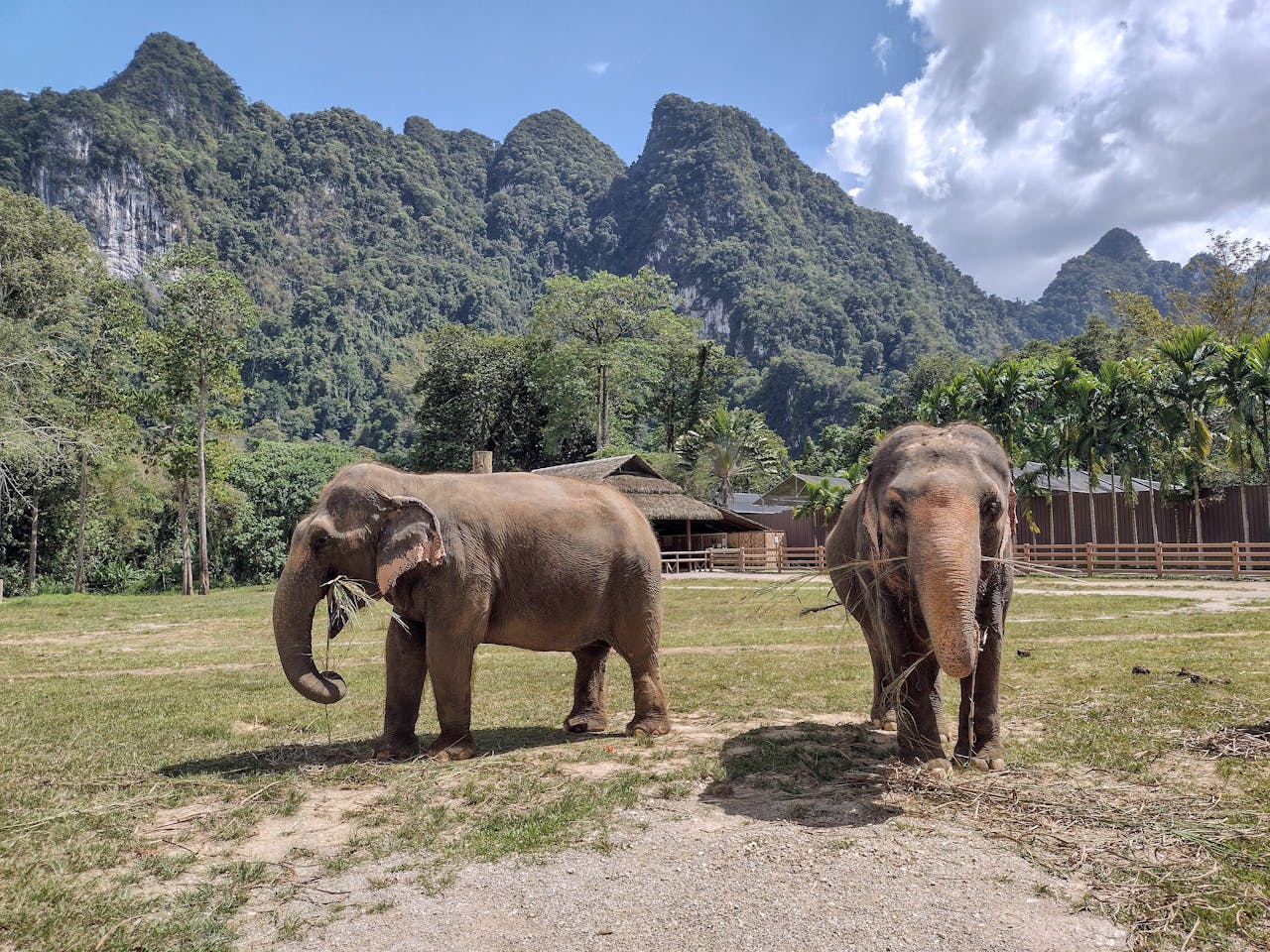
Best Places for Ethical Elephant Sanctuaries in Thailand
The most reputable ethical elephant sanctuaries in Thailand are located in:
- Chiang Mai – Home to several world-recognized rescue sanctuaries
- Chiang Rai – Smaller, conservation-focused facilities
- Phuket – Ethical sanctuaries adapted for island visitors
Northern Thailand is considered the center of ethical elephant conservation due to its natural habitats and long-standing rescue initiatives.
What You’ll Experience at an Ethical Sanctuary
Visitors typically spend time observing elephants in their natural environment, learning about their history, behavior, and care. Activities may include walking alongside elephants, preparing food, and educational talks led by caretakers. Direct interaction is limited and always guided to ensure the elephants’ comfort and safety.
What Ethical Sanctuaries Do NOT Offer
Ethical sanctuaries do not offer elephant riding, bathing for entertainment, painting, or performances. These activities can stress elephants and encourage harmful training practices. Sanctuaries that advertise rides or shows should be avoided, even if they claim to be “ethical.”
Best Time to Visit Elephant Sanctuaries
Ethical elephant sanctuaries operate year-round. The cooler months between November and February provide more comfortable conditions for both elephants and visitors. Visits are usually scheduled during mornings or early afternoons to align with the elephants’ natural routines.
The table below breaks this down clearly so travelers can make a smart decision based on weather, experience quality, and travel style.
Best Time to Visit Ethical Elephant Sanctuaries in Thailand
| Season | Months | Weather | Experience Quality | Crowd Level | Best For |
|---|---|---|---|---|---|
| Cool Season | Nov – Feb | Mild, dry, 20–30°C | ⭐⭐⭐⭐⭐ Best overall conditions | High | First-time visitors, families, photographers |
| Hot Season | Mar – May | Very hot, 30–40°C | ⭐⭐⭐ Good but physically demanding | Medium | Budget travelers, early-morning tours |
| Green Season | Jun – Oct | Rainy, humid | ⭐⭐⭐⭐ Lush landscapes, active elephants | Low | Nature lovers, photographers, fewer crowds |
Key Takeaways
- November to February offers the most comfortable weather and the best overall experience.
- March to May can still be enjoyable if tours start early, but heat can be intense.
- June to October brings fewer tourists and greener scenery, though rain is possible.
Not sure which sanctuary, which month, or which region fits your travel style?
Use our AI-powered Travel Experience Tool to instantly find the best destinations based on:
- Month of travel
- Experience type (wildlife, culture, wellness)
- Travel style (solo, family, couples, groups)
“Find the Best Experience for Your Trip”
Costs and Booking Expectations
Ethical elephant sanctuary visits are typically more expensive than traditional elephant attractions due to higher care standards. Costs usually include transportation, guides, meals, and educational programs. Higher prices help fund food, medical care, and habitat maintenance for rescued elephants.
Who This Experience Is Best For
Ethical elephant sanctuaries are ideal for animal lovers, families, couples, and responsible travelers. This experience is best suited for visitors who value education, conservation, and ethical travel over entertainment-driven attractions.
Why Ethical Elephant Sanctuaries Belong in a Thailand Itinerary
Visiting an ethical elephant sanctuary is one of the most meaningful experiences in Thailand. It offers a deeper understanding of wildlife conservation and allows travelers to contribute positively to animal welfare. This experience creates lasting memories without causing harm, making it a responsible choice for modern travelers.
Explore our guide for Chiang mai Destination
Explore Other Top Experiences
Curated and exclusive experiences worldwide.
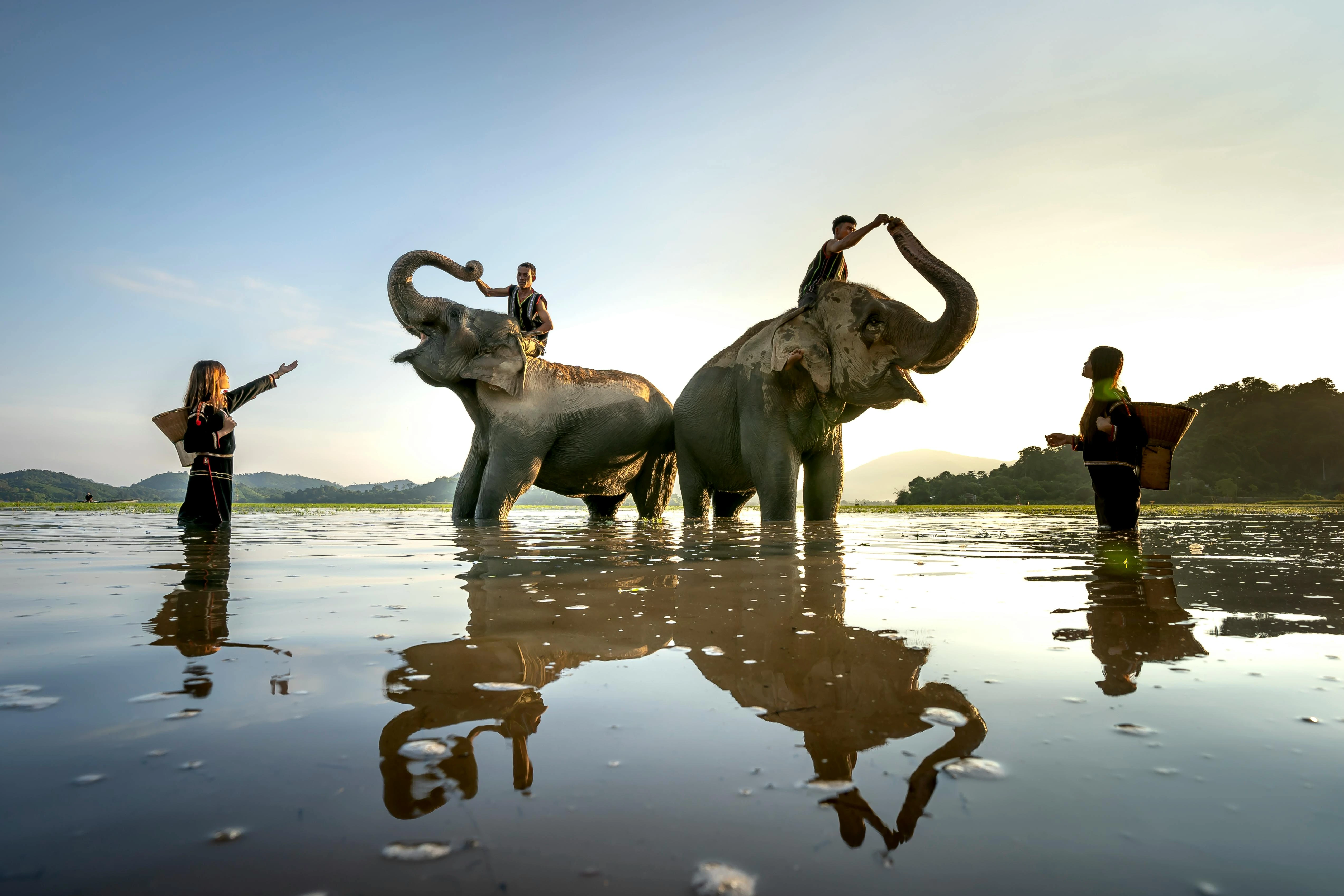
Ethical Elephant Sanctuaries in Thailand: Responsible Visits, Best Places & What to Expect
Learn how to visit ethical elephant sanctuaries in Thailand, including the best locations, responsible activities, animal welfare standards, costs, and essential tips for travelers seeking humane elephant experiences.
View experience


Temples & Cultural Experiences in Thailand: Sacred Sites, Traditions & Travel Tips
Explore Thailand’s temples and cultural experiences, including famous Buddhist temples, historical sites, cultural traditions, etiquette, best places to visit, and practical travel tips for first-time visitors.
View experience


Frequently Asked Questions
No. Ethical elephant sanctuaries do not allow elephant riding. Riding can cause physical and psychological harm to elephants. Sanctuaries that permit riding should not be considered ethical.
In many cases, no. Forced bathing for tourist entertainment can stress elephants. Truly ethical sanctuaries limit interaction and allow elephants to bathe naturally without visitor interference.
Yes, when following sanctuary guidelines. Interactions are supervised, and visitors are educated on proper behavior. Elephants are treated with respect, and safety protocols are strictly followed.
Most ethical sanctuary visits last between 3 to 6 hours, including transportation, educational sessions, and observation time.
Look for sanctuaries that prohibit riding and performances, limit visitor interaction, focus on rescue and rehabilitation, and clearly explain their animal welfare practices. Transparency is a strong indicator of ethical standards.