
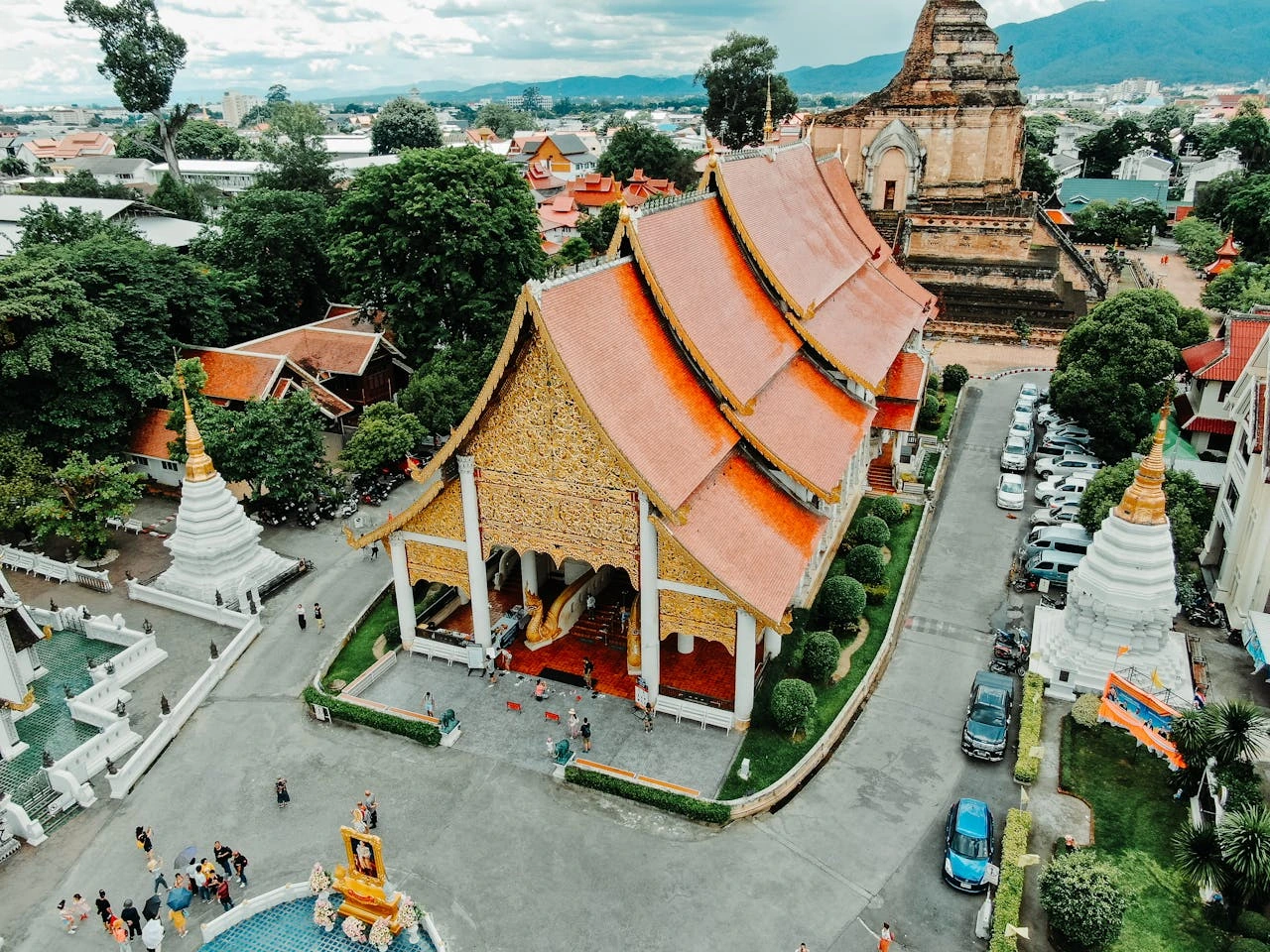
**Temples and cultural experiences **are at the heart of Thailand’s identity. The country is home to thousands of Buddhist temples, known as wats, alongside royal palaces, historical ruins, and living traditions practiced daily. Visiting temples in Thailand is not only a sightseeing activity but a cultural experience that offers insight into religion, history, and Thai values.
Why Temples Matter in Thai Culture
Buddhism plays a central role in Thai society, influencing architecture, daily life, and social customs. Temples serve as places of worship, community centers, and historical archives. Understanding their importance helps travelers appreciate Thailand beyond its beaches and nightlife, making cultural visits one of the most meaningful experiences in the country.
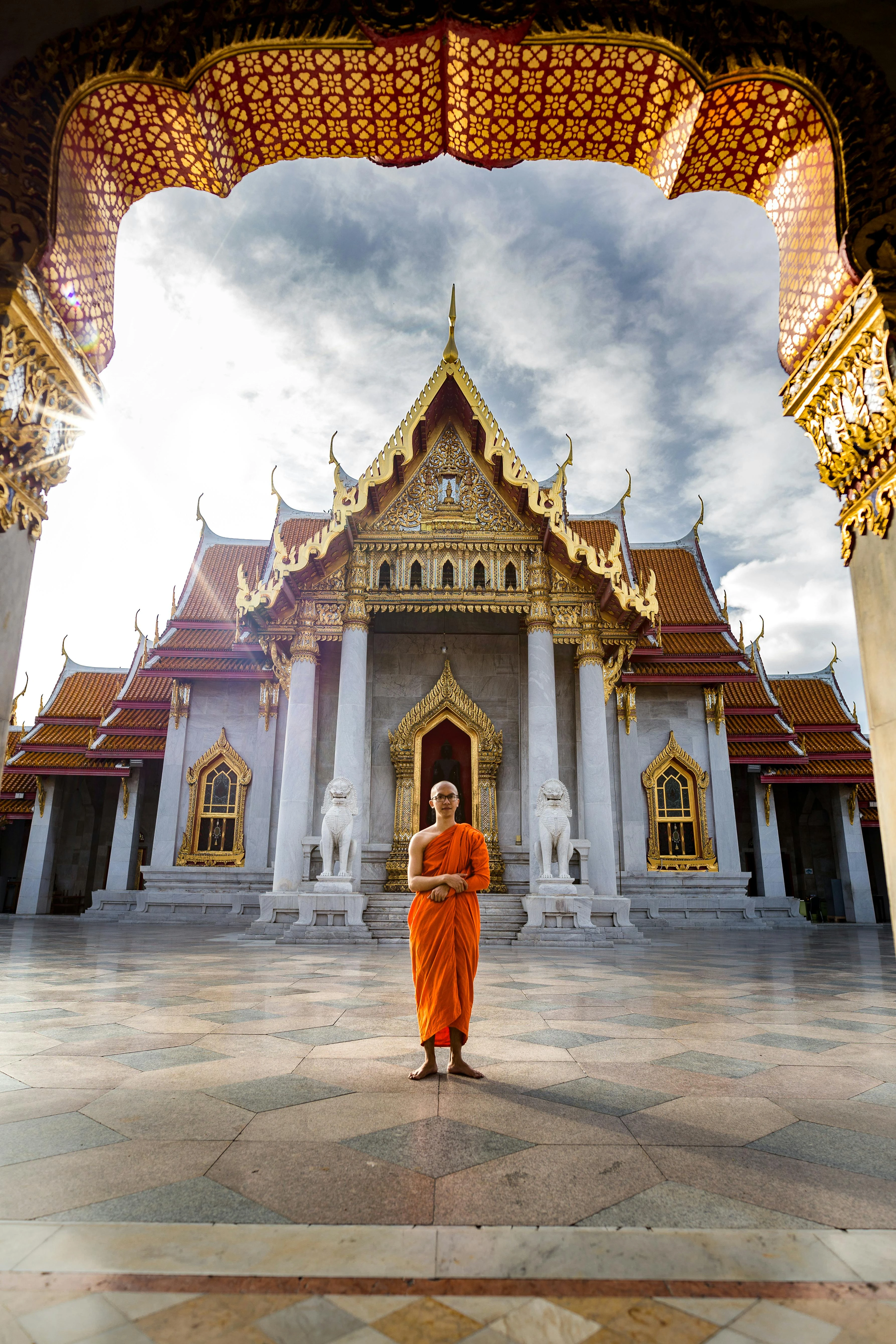
Most Famous Temples in Thailand
Thailand is home to thousands of Buddhist temples, but a small number stand out for their historical importance, architectural uniqueness, and spiritual value. These temples are not only religious landmarks but also key cultural symbols that reflect Thailand’s identity, history, and artistic evolution across different regions.
Explore temples and culture through viator
Wat Phra Kaew (Bangkok) – Temple of the Emerald Buddha
Wat Phra Kaew, located within Bangkok’s Grand Palace complex, is considered the most sacred temple in Thailand. It houses the Emerald Buddha, a highly revered statue believed to bring prosperity and protection to the country. The temple’s intricate architecture, golden spires, and detailed murals make it one of the most visited cultural sites in Thailand.
Wat Pho (Bangkok) – The Reclining Buddha Temple
Wat Pho is famous for its massive Reclining Buddha statue, which measures over 46 meters in length and symbolizes the Buddha’s entry into nirvana. Beyond the statue, Wat Pho is also known as the birthplace of traditional Thai massage and remains an important center for education and wellness in Thai culture.
Wat Arun (Bangkok) – Temple of Dawn
Wat Arun is one of Bangkok’s most recognizable landmarks, located on the banks of the Chao Phraya River. Its central prang, decorated with colorful porcelain and seashells, reflects light beautifully at sunrise and sunset. The temple represents Mount Meru, a sacred mountain in Buddhist cosmology, and offers panoramic river views.
Wat Phra That Doi Suthep (Chiang Mai) – Sacred Mountain Temple
Wat Phra That Doi Suthep sits atop a mountain overlooking Chiang Mai and is one of northern Thailand’s most important religious sites. According to legend, the temple was built to house a sacred relic of the Buddha. Visitors climb a long staircase or take a cable car to reach the temple, where golden pagodas and city views await.
Wat Rong Khun (Chiang Rai) – The White Temple
Wat Rong Khun, commonly known as the White Temple, is a contemporary Buddhist temple unlike any other in Thailand. Designed by Thai artist Chalermchai Kositpipat, the temple uses white color and mirrored glass to symbolize purity and enlightenment. Its modern artistic elements reflect Buddhist teachings in a unique and symbolic way.
Why These Temples Matter
Together, these temples showcase Thailand’s diversity in architecture, regional traditions, and religious expression. From ancient royal temples to modern artistic interpretations, they represent different historical periods and spiritual philosophies, making them essential stops for travelers seeking to understand Thai culture beyond surface-level tourism.
Historical Sites and Ancient Cities
Beyond active temples, Thailand features ancient capitals such as Ayutthaya and Sukhothai, both recognized as UNESCO World Heritage Sites. These locations offer insight into Thailand’s early kingdoms and religious development. Exploring temple ruins allows travelers to understand how Thai culture evolved over centuries.
Cultural Experiences Beyond Temples
Cultural experiences in Thailand extend beyond temple visits. Travelers can witness traditional Thai dance performances, attend cultural festivals like Songkran and Loy Krathong, visit local craft villages, and explore royal palaces. These experiences complement temple visits and provide a deeper understanding of Thai traditions.
Best Places in Thailand for Cultural Travel
The best destinations for temples and cultural experiences include:
- Bangkok – Grand temples, palaces, museums
- Chiang Mai – Historic old city and mountain temples
- Chiang Rai – Contemporary and traditional temple art
- Ayutthaya – Ancient ruins and history
- Sukhothai – Birthplace of Thai civilization
Each destination offers a unique cultural perspective.
Best Time to Visit Temples in Thailand
Temples can be visited year-round, but the best time is during the cooler months between November and February. Visiting early in the morning or late afternoon helps avoid crowds and heat. Cultural festivals during this period also enhance the experience.
Check paradise Travel Planner and choose best experiences, check by month
Temple Etiquette and Dress Code
Visitors must follow temple etiquette in Thailand. Modest clothing covering shoulders and knees is required. Shoes should be removed before entering temple buildings, and respectful behavior is expected. Understanding and following these rules shows respect for Thai culture and enhances the visitor experience.
Guided Cultural Tours vs Independent Visits
Travelers can explore temples independently or join guided cultural tours. Guided tours provide historical context, religious explanations, and local insight, making them ideal for first-time visitors. Independent visits allow flexibility and personal exploration but require basic cultural knowledge.
Why Cultural Experiences Are Essential in Thailand
Temples and cultural experiences reveal the spiritual and historical foundation of Thailand. They provide balance to beach and leisure travel and create a deeper, more respectful connection to the country. For travelers seeking meaningful experiences, cultural exploration is an essential part of any Thailand itinerary.
Explore our guide for Bangkok Destination
Explore Other Top Experiences
Curated and exclusive experiences worldwide.
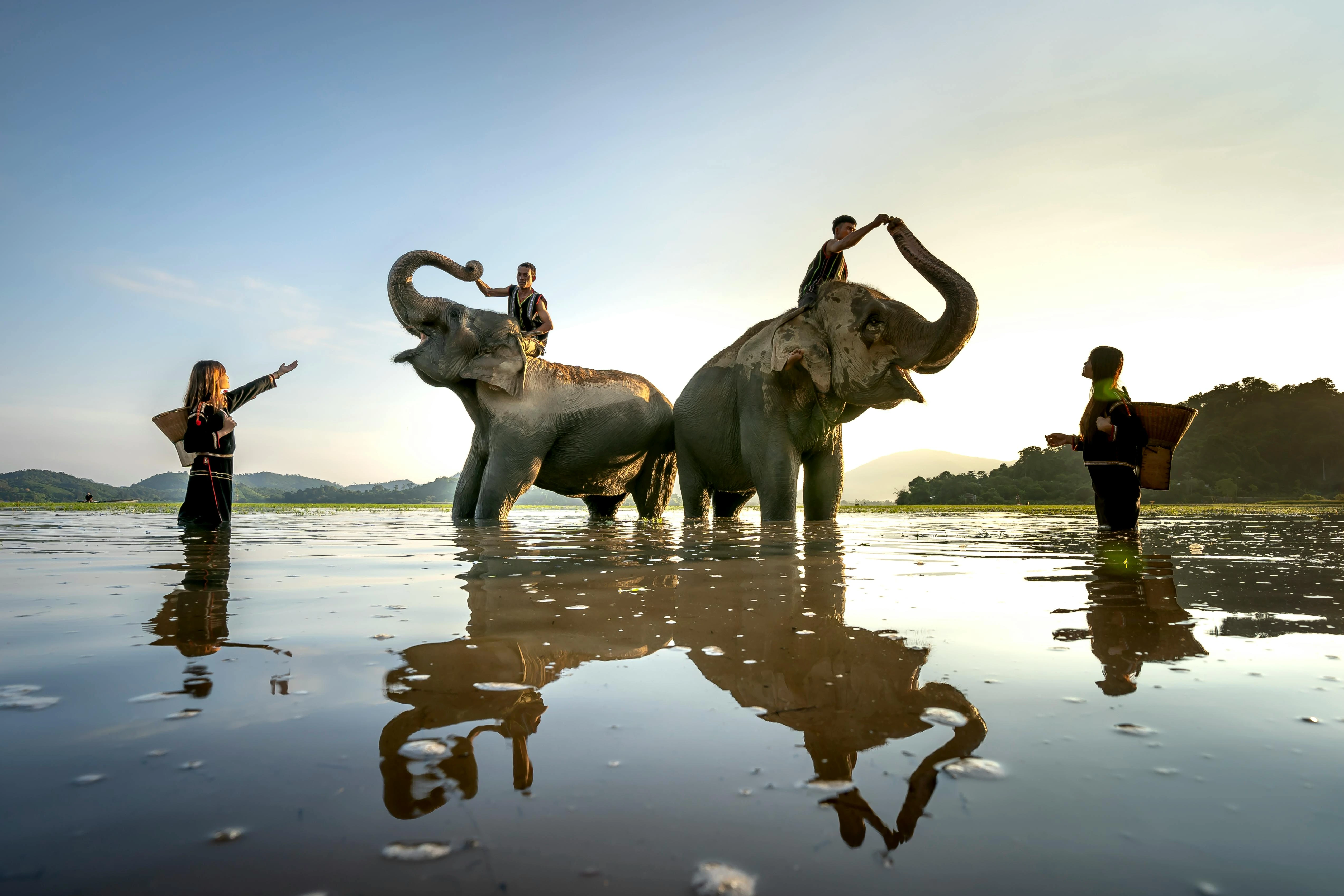
Ethical Elephant Sanctuaries in Thailand: Responsible Visits, Best Places & What to Expect
Learn how to visit ethical elephant sanctuaries in Thailand, including the best locations, responsible activities, animal welfare standards, costs, and essential tips for travelers seeking humane elephant experiences.
View experience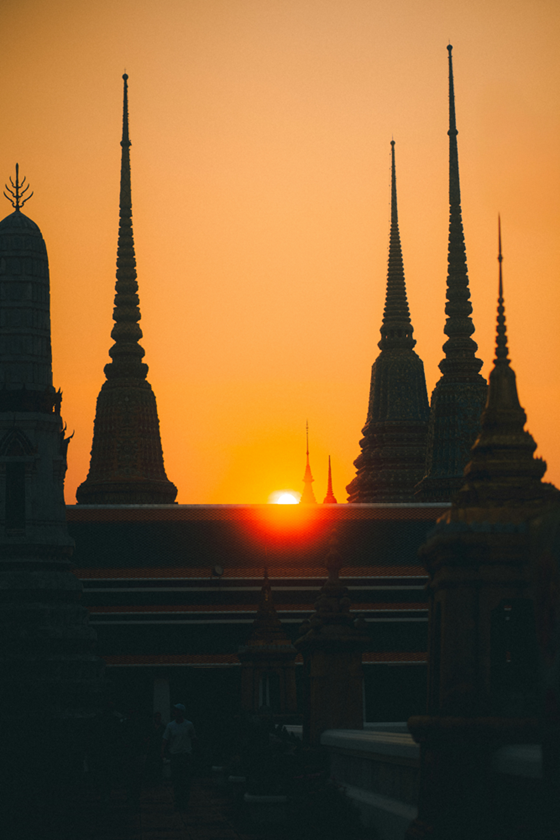
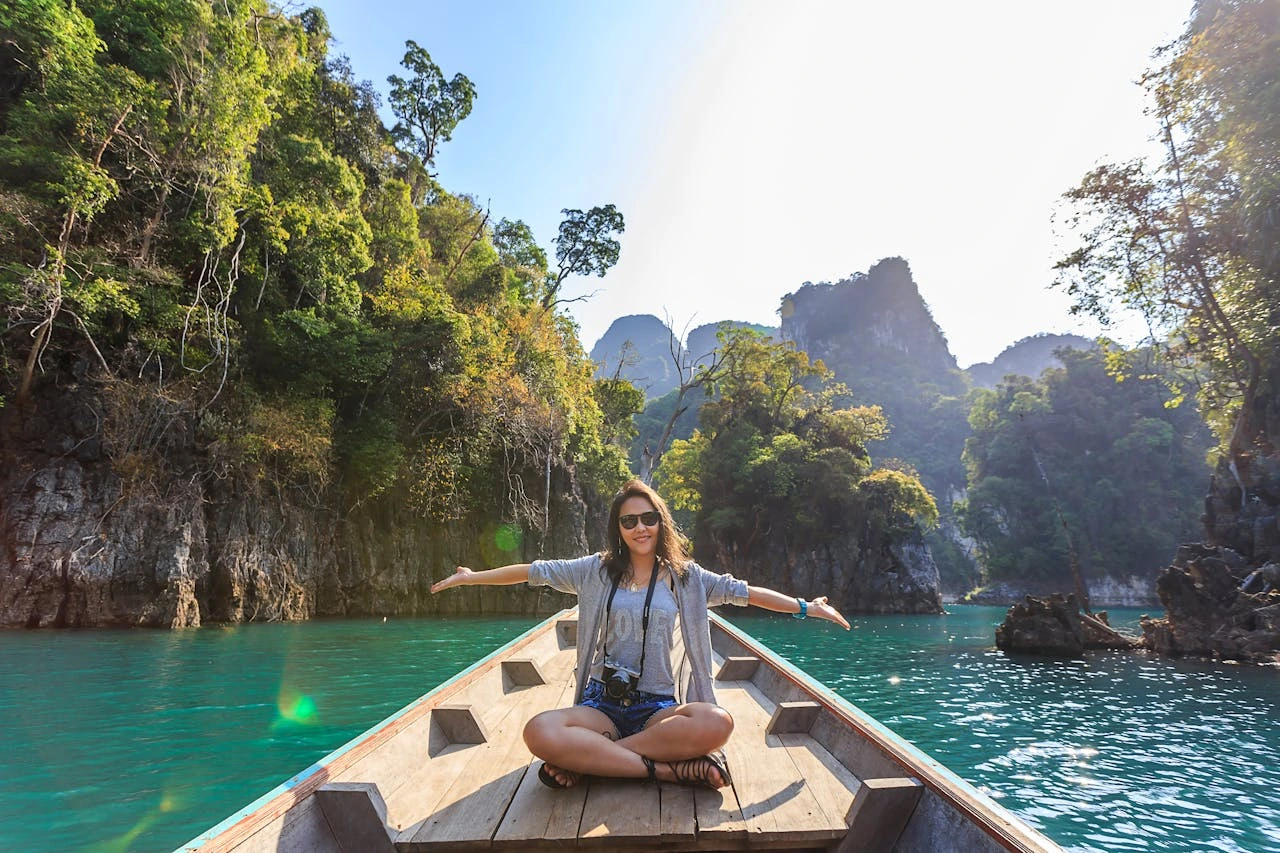
Temples & Cultural Experiences in Thailand: Sacred Sites, Traditions & Travel Tips
Explore Thailand’s temples and cultural experiences, including famous Buddhist temples, historical sites, cultural traditions, etiquette, best places to visit, and practical travel tips for first-time visitors.
View experience

Frequently Asked Questions
Yes, visitors must wear modest clothing that covers shoulders and knees. Short shorts, sleeveless tops, and revealing clothing are not allowed inside temple grounds. Many temples offer cover-ups for visitors who are not properly dressed.
Some temples are free, while major temples and historical sites may charge a small entrance fee. Fees help with maintenance and preservation. Prices are usually affordable and clearly displayed at entrances.
Yes, non-Buddhists are welcome to visit temples in Thailand as long as they follow local etiquette and behave respectfully. Temples are open to visitors from all backgrounds.
Guided tours are recommended for travelers who want historical and cultural context. Guides explain symbolism, rituals, and history that may not be obvious during self-guided visits.
Most travelers spend 1 to 3 hours visiting major temples or historical sites. Cultural-focused destinations like Ayutthaya or Chiang Mai may require a full day to explore properly.