
Thai street food and cooking experiences are a core part of traveling in Thailand. From bustling night markets to local food stalls and hands-on cooking classes, travelers can experience authentic Thai flavors that are globally recognized. This experience is affordable, accessible, and deeply connected to Thailand’s culture and daily life.
Why Thai Food Is World-Famous
Thai cuisine is known for its balance of sweet, sour, salty, spicy, and bitter flavors. Dishes are freshly prepared using herbs, spices, and local ingredients. Street food in Thailand is not only popular with tourists but also eaten daily by locals, making it one of the most authentic ways to experience Thai culture.
Best Cities for Thai Street Food Experiences
The best destinations for Thai street food include:
- Bangkok – World-famous street food, night markets, food tours
- Chiang Mai – Northern Thai dishes and night bazaars
- Phuket – Southern Thai flavors and seafood
- Ayutthaya – Traditional recipes and local markets
Each city offers unique regional dishes and cooking styles.
Popular Thai Dishes to Try
Some must-try Thai dishes include Pad Thai, Tom Yum Goong, Green Curry, Massaman Curry, Som Tum (papaya salad), Mango Sticky Rice, and Khao Pad. Street food stalls often specialize in one or two dishes, which usually indicates high quality and freshness.
Thai Cooking Classes
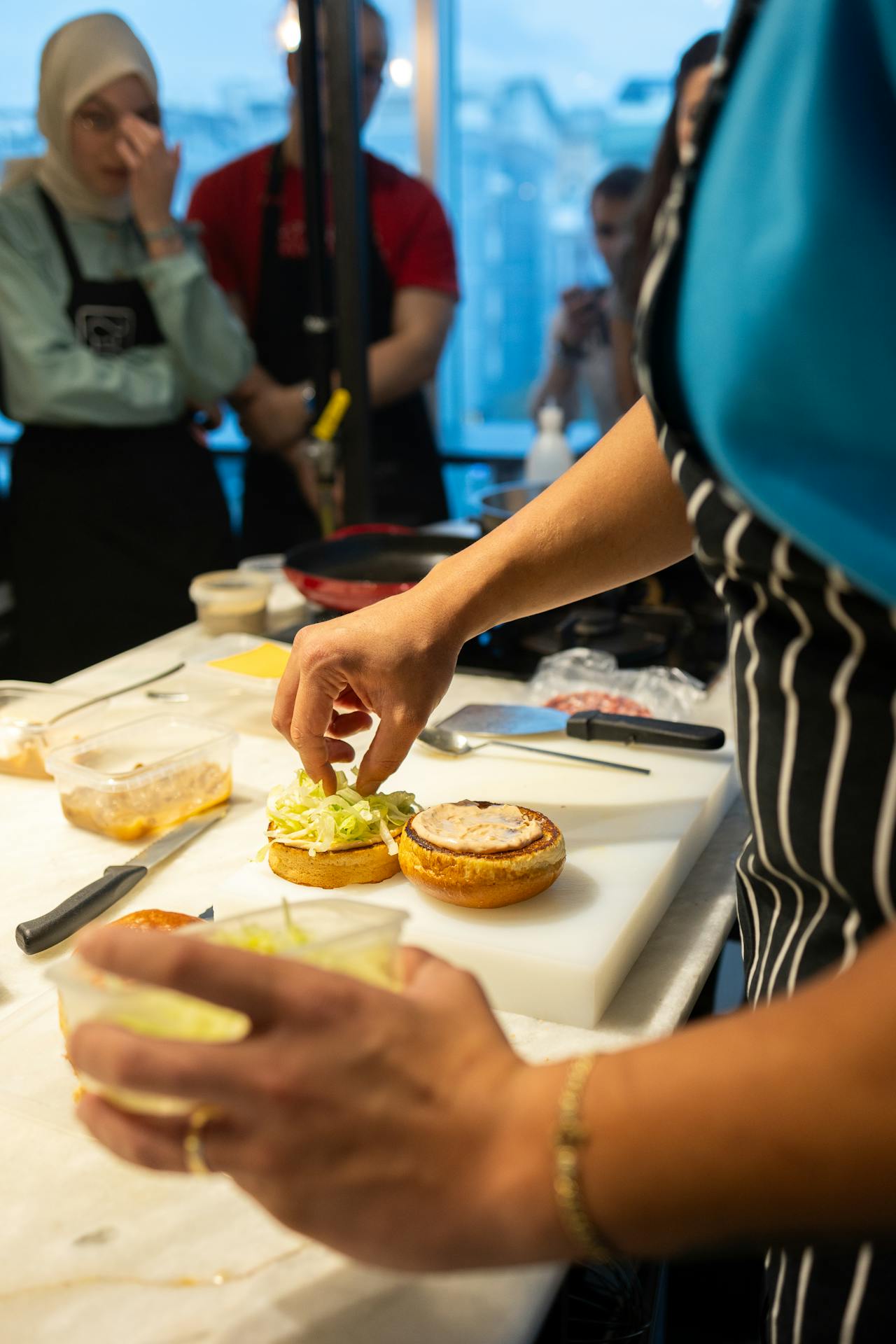
Thai cooking classes are widely available across Thailand and typically include a market visit, ingredient introduction, and hands-on cooking. Classes range from half-day to full-day experiences and are suitable for beginners. Many classes allow participants to choose dishes and cater to dietary needs.
Best Time for Food Tours and Cooking Classes
Thai street food is available year-round, but evening food tours are especially popular due to cooler temperatures. Cooking classes operate throughout the year and are not affected by seasonal weather, making this experience ideal regardless of travel season.
Costs of Thai Food Experiences
Thai street food is very affordable, with meals costing significantly less than restaurant dining. Cooking classes are moderately priced and usually include ingredients, instruction, and meals. Overall, food experiences in Thailand offer exceptional value for travelers.
Who This Experience Is Best For
Thai street food and cooking experiences are perfect for first-time visitors, food lovers, solo travelers, couples, and families. It’s also ideal for travelers who want cultural immersion without physical strain or complex logistics.
Practical Tips for Eating Street Food in Thailand
Travelers should eat at busy stalls where food is freshly prepared. Drinking bottled water and carrying hand sanitizer is recommended. Those with dietary restrictions should learn basic food terms or join guided food tours for assistance and safety.
Experiencing Thai street food and cooking is one of the most authentic ways to understand Thailand. It connects travelers to local culture, daily routines, and regional traditions. Whether tasting dishes or cooking them yourself, this experience is unforgettable and essential to any Thailand itinerary.
Explore our guide for Bangkok Destination
Explore Other Top Experiences
Curated and exclusive experiences worldwide.

Ethical Elephant Sanctuaries in Thailand: Responsible Visits, Best Places & What to Expect
Learn how to visit ethical elephant sanctuaries in Thailand, including the best locations, responsible activities, animal welfare standards, costs, and essential tips for travelers seeking humane elephant experiences.
View experience


Temples & Cultural Experiences in Thailand: Sacred Sites, Traditions & Travel Tips
Explore Thailand’s temples and cultural experiences, including famous Buddhist temples, historical sites, cultural traditions, etiquette, best places to visit, and practical travel tips for first-time visitors.
View experience


Frequently Asked Questions
Yes, Thai street food is generally safe when eaten at busy stalls with high turnover. Food is cooked fresh, and locals eat there daily. Travelers should avoid food that has been sitting out and drink bottled water to reduce risk.
No, many Thai dishes can be adjusted for spice level. Travelers can request mild versions, and cooking classes often tailor dishes to individual preferences. Thai cuisine includes many non-spicy options.
Yes, Thai cooking classes are beginner-friendly and designed for travelers with no prior cooking experience. Instructors guide participants step by step and explain ingredients and techniques clearly.
Yes, many Thai dishes can be prepared vegetarian or vegan. Cooking classes often accommodate dietary preferences, and street food stalls commonly offer vegetable-based dishes. It’s helpful to communicate dietary needs in advance.
Street food tours usually last between 2 to 4 hours, while cooking classes typically run 3 to 6 hours, depending on the program. Both are easy to fit into a travel itinerary.